New research reveals that kids who don't buy skins in free-to-play games are bullied
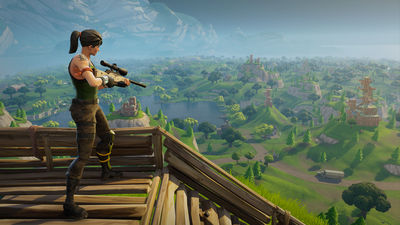
An increasing number of games are free to play, but generate revenue by selling in-game items such as skins that change the appearance of the characters you control during the game.Recent research has revealed that in these types of free-to-play games, children who do not purchase the paid items or skins are being targeted by bullying.
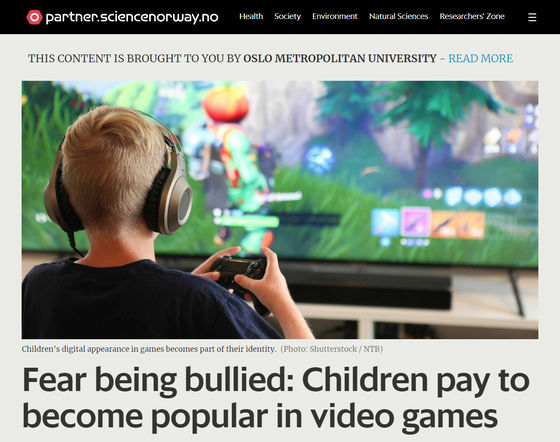
Fear being bullied: Children pay to become popular in video games
New Study Suggests Kids Are Now Experiencing Social Pressures to Buy In-Game Items
https://patrickklepek.substack.com/p/new-study-suggests-kids-are-now-experiencing
Kids Bullied For Not Buying Skins In Fortnite, Roblox, Warzone
https://kotaku.com/study-fortnite-free-to-play-games-kids-bullied-f2p-1851291618
Camilla Knudsen Steins and Klara Klia Reich, researchers at Oslo Metropolitan University in Norway, were commissioned by the Norwegian Ministry of Children and Families to investigate the influence of money on gaming.
'There is still much to learn about the social dynamics within children's virtual worlds. Indeed, governments and policymakers around the world are showing interest in this topic from a regulatory perspective. Gaming is an important part of children's daily lives, yet there is little research on young people's digital consumption in Norway,' Steins and his colleagues said.
According to Steins' research, there is no clear distinction between the online and offline worlds for children. 'Games are simply a different part of the social world children navigate, and appearance, or skin, becomes an important identity marker,' the report states.
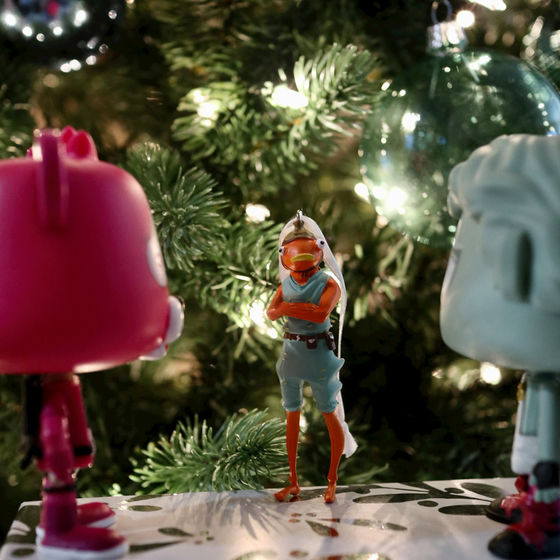
Frank, a 13-year-old survey participant, spoke about the importance of gaming, saying, 'If I don't play games with anyone, I won't have anything to talk about at school.'
The report also states, 'Peer pressure is similar to what already occurs in other contexts, but it takes on new forms in the world of gaming.' 'Some children may feel excluded if they lack the resources (such as Wi-Fi, gaming consoles, or in-game currency) to play with their friends, or may be bullied based on the skins they use.'
There are important differences between children's gaming and other leisure activities. For example, in soccer, children are typically exposed to commercial content, such as soccer shoe advertisements, within a specific physical context (e.g., a soccer court) and for a limited time (e.g., during a training session). However, Steins and his colleagues argue that gaming employs a variety of customized marketing strategies that target children's needs for a sense of belonging and individuality. Furthermore, they point out that games employ a variety of deceptive design strategies (e.g.,
In fact, the free-to-play Fortnite was fined $245 million by the Federal Trade Commission for using dark patterns to 'allow children to purchase in-game items unintentionally without parental involvement.'
Fortnite ordered to pay approximately 33 billion yen in fines for 'using dark patterns to make children purchase items unintentionally' - GIGAZINE
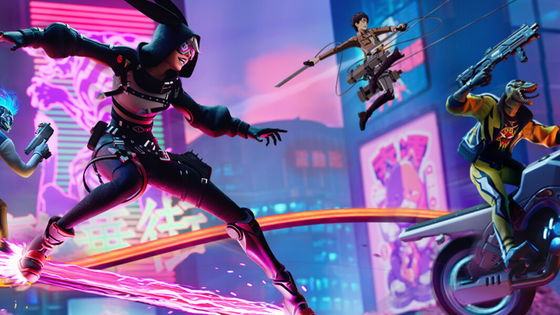
Steins' research also found that some children were unaware that real money was being used to purchase in-game items like skins, suggesting that free-to-play games like Fortnite and Roblox intentionally make it difficult to understand that real money is being used to purchase in-game items.
However, this does not mean that children are not taking any measures to protect themselves from paid items. Some children have also adopted various strategies to protect themselves from paid items, such as not opening in-game item shops or doing housework instead of playing games.
'In Norway, gambling in brick-and-mortar casinos is strictly regulated and has age restrictions. However, games, despite containing similar real-money gambling elements, have few rules or restrictions,' Steins said. 'This situation is likely to change in the next few years, and game developers will likely have to comply with more regulations, especially regarding gambling elements in games aimed at children.'
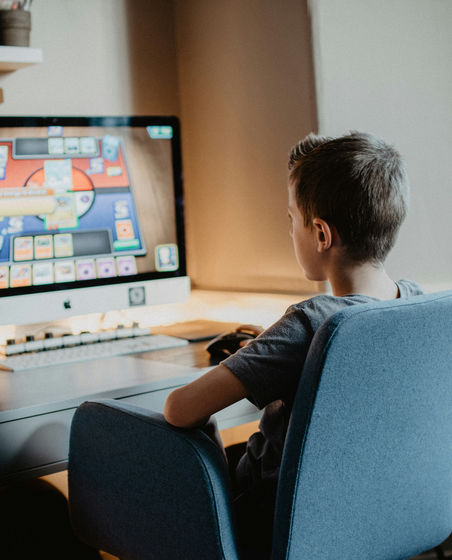
The study also found that parents' knowledge of games and paid items varies widely. While some parents introduce their children to games and play with them, others appear skeptical of the social value games create and restrict their children's ability to purchase in-game items. The study also found that children who have experienced bullying or hacking in games have sought help and guidance from their parents.
In the past, gaming media Polygon reported that 'children playing Fortnite with their original skins are being bullied.'
Children playing free-to-play Fortnite with their original skins are being bullied - GIGAZINE
◆ Forum is currently open
A forum related to this article has been set up on the official GIGAZINE Discord server . Anyone can post freely, so please feel free to comment! If you don't have a Discord account, please refer to the account creation instructions article to create one!
• Discord | 'Have you ever bought a paid skin to change the appearance of your character in a free-to-play game?' | GIGAZINE
https://discord.com/channels/1037961069903216680/1212332112162725940
Related Posts: