It turns out that YouTube Shorts uses a new AI model called 'Flamingo' developed by Google's DeepMind

Our powerful visual language model Flamingo is changing the way ???????????? can watch @YouTube Shorts. ????
— Google DeepMind (@DeepMind) May 24, 2023
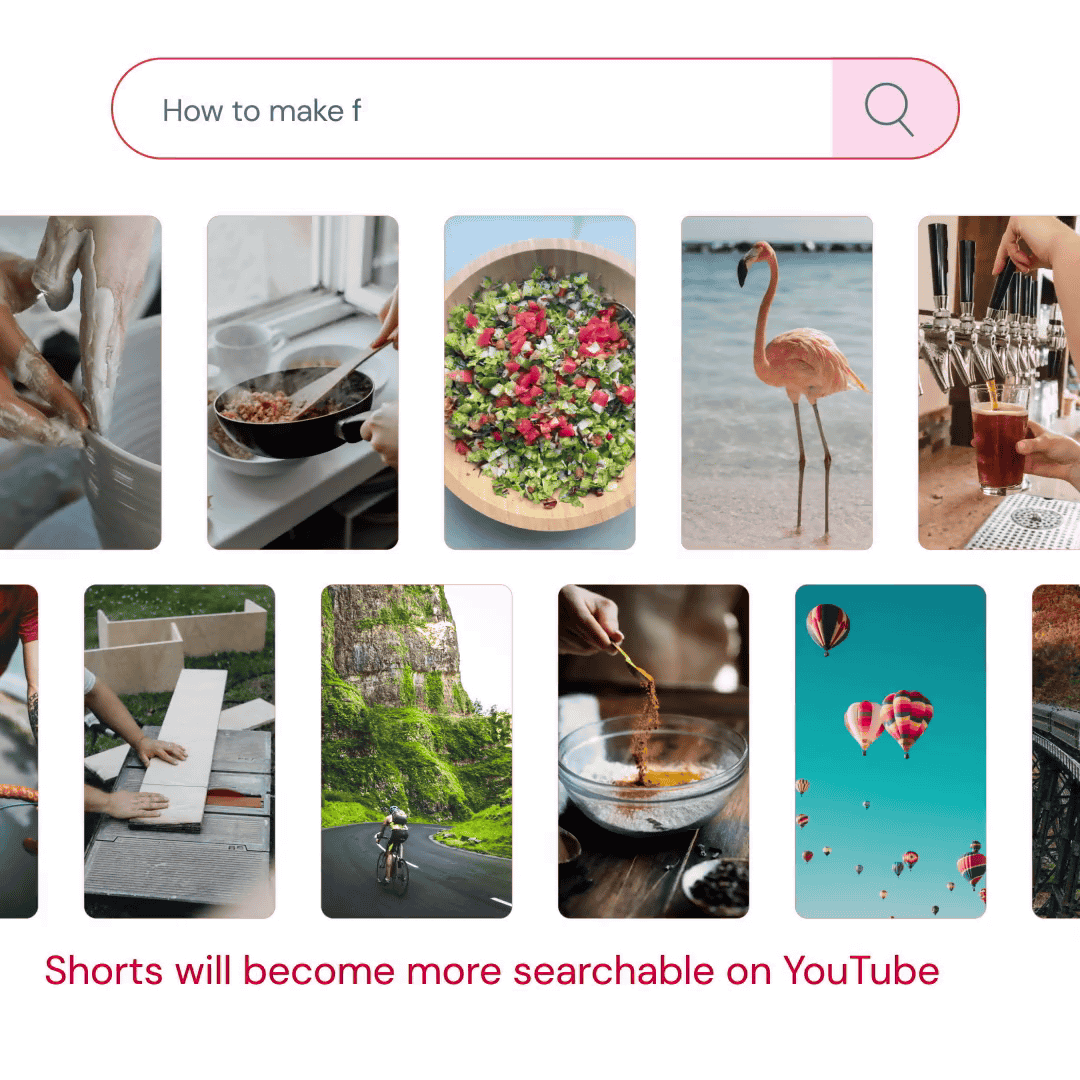
It automatically generates descriptions for hundreds of millions of videos in their metadata, making them more searchable.
Here's how AI is helping creators and viewers. ⬇️ pic.twitter.com/pAt7MxFNs1
A Google DeepMind AI language model is now making descriptions for YouTube Shorts - The Verge
https://www.theverge.com/2023/5/24/23735850/google-deepmind-ai-flamingo-language-model-descriptions-youtube-shorts
YouTube Shorts often lack sufficient descriptions and titles, which makes them less searchable. According to Google DeepMind CEO Colin Murdoch, the process of creating YouTube Shorts videos is simpler and more streamlined than that of longer videos, so creators sometimes don't add metadata.
'Because YouTube Shorts are mostly watched in the feed, where people swipe to find the next video rather than actively searching for it, there's not a lot of incentive to add metadata,' said Todd Sherman, director of product management for YouTube Shorts.
Flamingo is a visual language model that automatically creates a description by analyzing and verbalizing the first frame of a video.
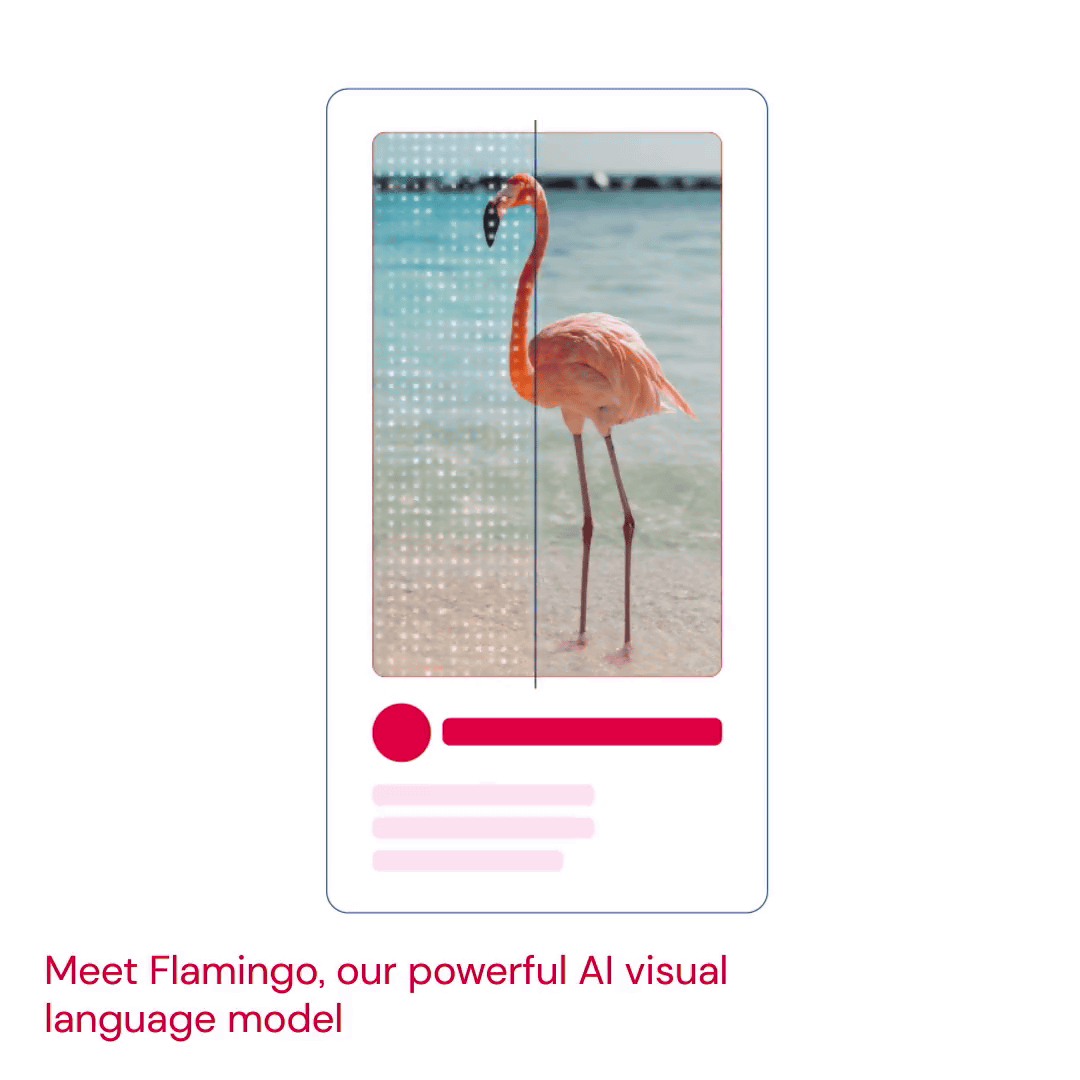
This description is not visible to users, but is stored as metadata and is used to improve the searchability of YouTube Shorts videos.
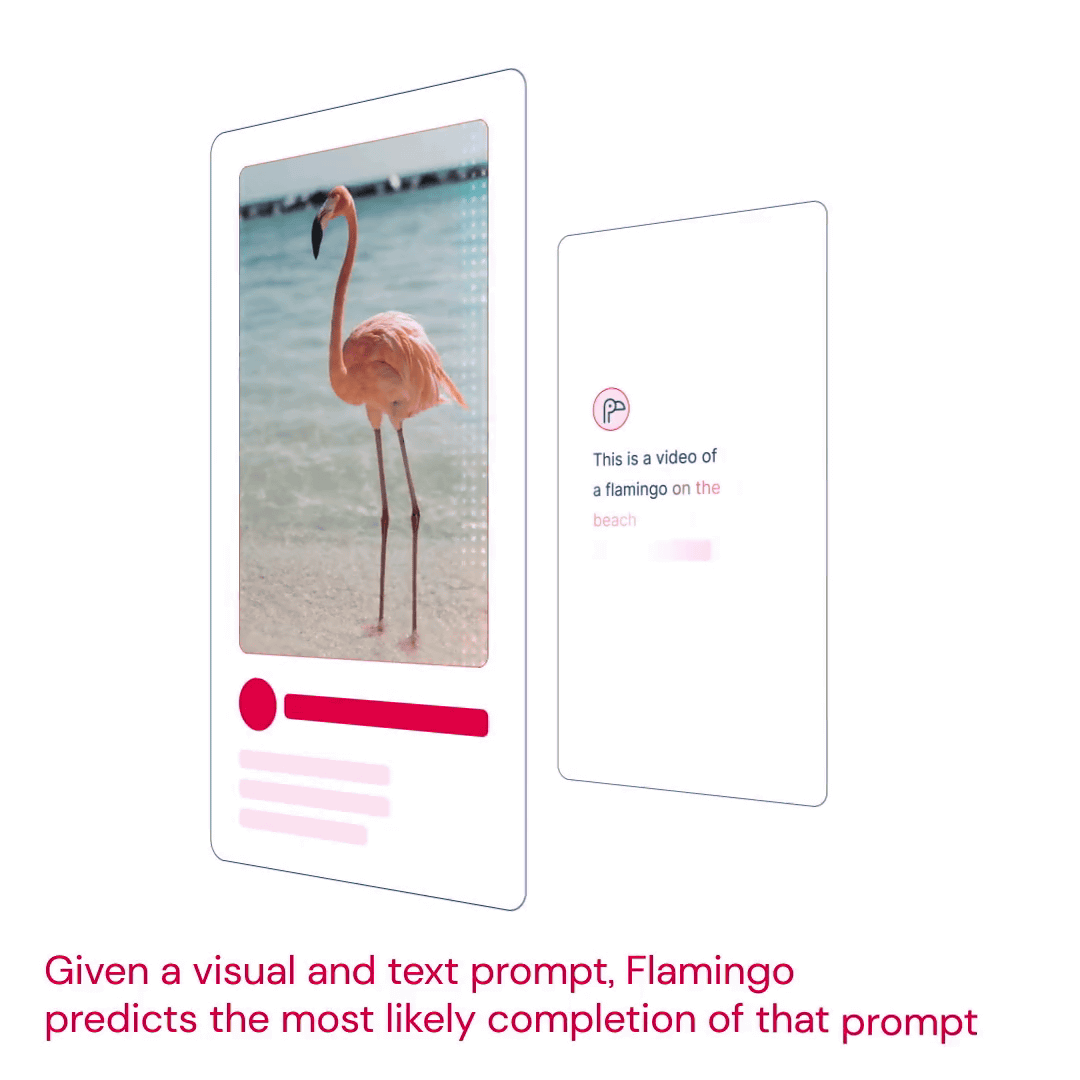
'The Flamingo model understands YouTube Shorts videos and provides descriptive text, which is extremely valuable for search systems that need metadata to help users better find videos,' Sherman said.
The Verge, an IT news site, asked Sherman whether Flamingo would create metadata for videos other than YouTube Shorts. Sherman replied, 'It's entirely possible, but I think the need for it will be a little less than for YouTube Shorts.' For longer videos, creators spend hours filming and editing them, and carefully tweak the meta tags and thumbnails, so creating metadata with Flamingo makes less sense.
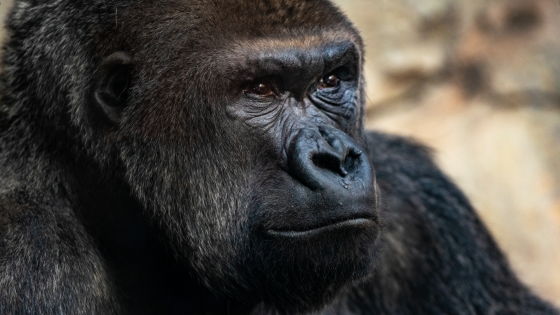
The Verge points out that the AI Flamingo, which analyzes videos and applies text tags, 'could make serious mistakes, harm creators, and expose Google to significant criticism,' referring to a past incident in which Google Photos tagged a black person as a gorilla.
Eight years after Google's AI classified a black person as a 'gorilla,' Google, Apple, Amazon, and Microsoft's AI still avoids labeling them as gorillas - GIGAZINE
Related Posts:






in AI, Video, Software, Web Service, Posted by log1i_yk