It has been reported that Chromebooks introduced in educational settings have begun to break down just three years after their introduction, making them difficult to repair and less durable.
by
Chromebooks , computers powered by Google's operating system ChromeOS , are popular in schools as educational computers due to their low price and simple operation. However, it has been pointed out that Chromebooks have a shorter lifespan than regular computers and are difficult to repair, resulting in high expenses for schools.
'Chromebook Churn' report highlights problems of short-lived laptops in schools
https://pirg.org/edfund/resources/chromebook-churn-report-highlights-problems-of-short-lived-laptops-in-schools/
School Chromebooks are creating huge amounts of e-waste - The Verge
When the COVID-19 pandemic began in early 2020, many schools conducted online classes due to concerns about COVID-19 infection. American schools purchased affordable Chromebooks in large quantities and distributed them to students.
However, a 2023
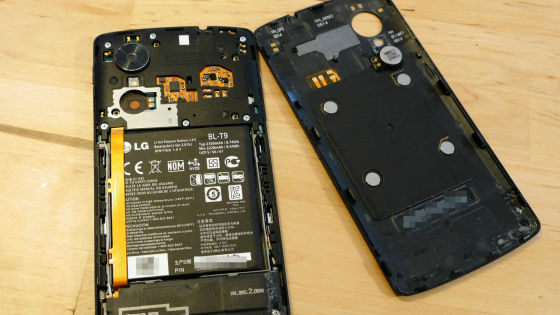
One factor shortening Chromebooks' lifespan is their difficulty to repair. While Chromebooks are expected to be subject to drops, shocks, vibrations, and water damage during school use, repair parts for Chromebooks are less readily available and less easily disassembled than those for other computers. Furthermore, replacement parts are often more expensive than the price of the device, leading PIRG to report that some corporate IT departments are purchasing additional Chromebooks for spare parts. Therefore, PIRG points out, 'The high cost of maintaining Chromebooks may lead schools to reconsider adopting Chromebooks as a cost-saving strategy.'
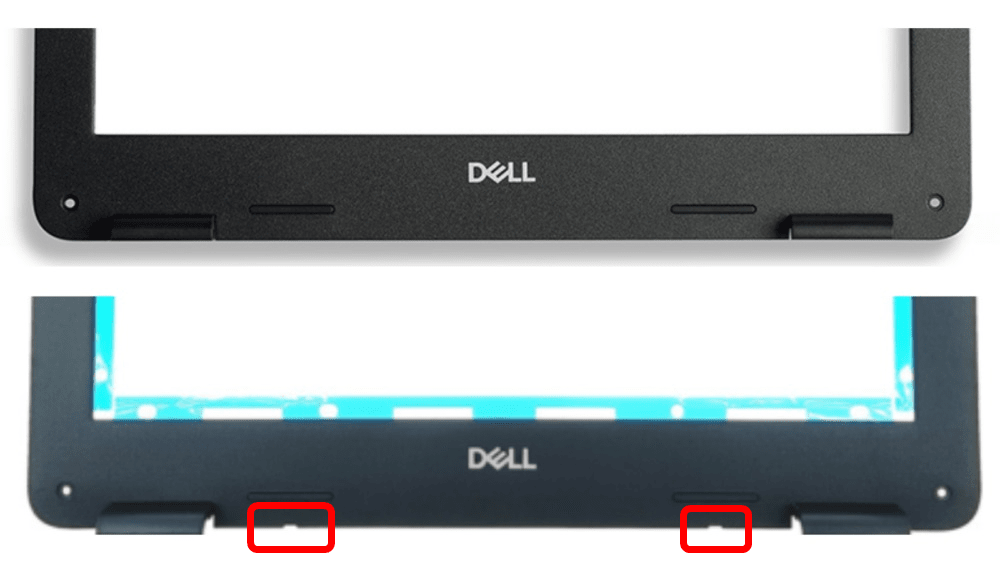
Furthermore, Chromebook manufacturers sometimes change the shape of parts like bezels between models, which is unrelated to their functionality, making it difficult to reuse parts from other device models. The top image below shows the bezel of the Chromebook 3100 sold by Dell, and the bottom shows the bezel of the Chromebook 3110. Due to a small notch at the bottom of the Chromebook 3110 bezel, it is not compatible with the Chromebook 3100.
PIRG also points out the expiration date system for Chromebook automatic updates, explaining that Google has set
Therefore, when introducing Chromebooks into schools, they must go through processes such as purchasing, receiving, setting up, and deploying them, and by the time students begin using them, the automatic update expiration date is usually approaching. As a result, 'when automatic software updates are stopped just a few years after the devices are introduced, schools are left with only computers that have become e-waste. Chromebooks that are difficult to sell secondhand due to their short automatic update deadlines require schools to pay recycling fees for old Chromebooks or purchase additional new Chromebooks,' PIRG points out.
PIRG estimates that 'doubling the lifespan of the approximately 32 million Chromebooks shipped in 2020 could reduce carbon dioxide emissions by 4.6 million metric tons, equivalent to the carbon dioxide emitted by 900,000 cars driven for one year.' PIRG also calls for Google to eliminate the automatic update expiration system for Chromebook devices and for device manufacturers to produce at least a 10% overstock of replacement parts to facilitate component swaps between Chromebook models.
PIRG also urges Google to make it easier to unenroll Chromebooks from remote management so that they can be installed with a different operating system, such as Linux . 'Operating system choice is not only a consumer right, but it could also increase the value of used computers,' PIRG said.
Meanwhile, a Google representative told The Verge, 'Google has been working with its hardware partners to extend the warranty period for Chromebooks. We're also building devices across segments using post-consumer recycled and certified materials that make them easier to repair, and implementing manufacturing processes that reduce our carbon footprint over time.'
Related Posts: