It is clear that there is no correlation between when children got a mobile phone and sleep or depression
A
Are mobile phone ownership and age of acquisition associated with child adjustment? A 5‐year prospective study among low‐income Latinx children - Sun - Child Development - Wiley Online Library
https://doi.org/10.1111/cdev.13851
Age that kids acquire mobile phones not linked to well-being, says Stanford Medicine study | News Center | Stanford Medicine
https://med.stanford.edu/news/all-news/2022/11/children-mobile-phone-age.html
The study, conducted by Xiaoran Sun and his team at Stanford University, looked at the age at which children acquire mobile phones. The researchers followed a group of more than 250 children aged 7 to 11 over a five-year period, tracking their happiness levels when they had a mobile phone.
The average age at which children first received a mobile phone was 11.6 years old, with a sharp increase in the number of children between the ages of 10.7 and 12.5, with 50% of children receiving their first mobile phone. This suggests that many families agree on the best time for their children to have a mobile phone.
Previous studies have concluded that cell phone use reduces sleep quality and academic performance, while other studies have found no association, but most have not been longitudinal studies .
In their study, Sun and colleagues asked children each year whether they owned a mobile phone and whether it was a smartphone. They also filled out a questionnaire to assess depression symptoms, their grade level, and their bedtime and wake-up times. The children also wore an accelerometer around their waists for a week to measure their nightly sleep onset and sleep duration.

The survey results showed that almost all children owned a mobile phone by the age of 15, 99% of which were smartphones. Furthermore, an analysis of whether happiness differed depending on the age at which children first received a mobile phone showed that depression scores decreased more slowly in children who owned mobile phones than in those who did not, and that children who did not own mobile phones slept slightly longer on non-school days, but these data were not statistically
The research team also analyzed whether children's characteristics interacted with happiness and mobile phone ownership, revealing that boys were less likely to be depressed than girls.
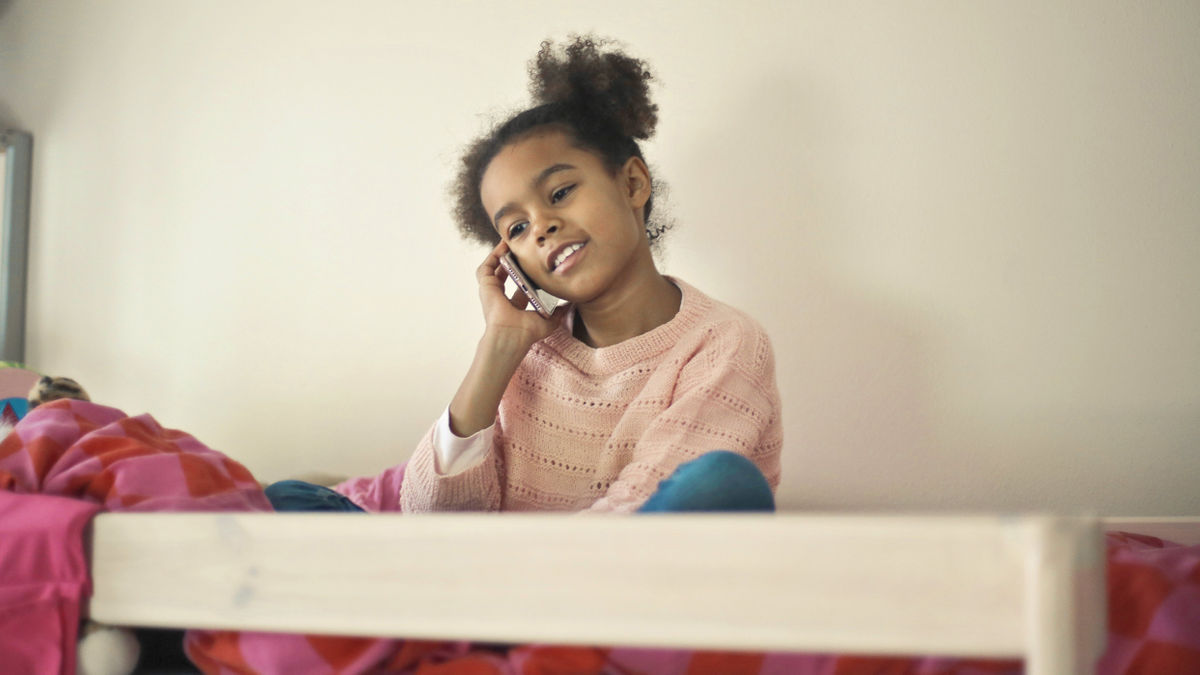
These results did not suggest that mobile phone ownership had a positive or negative impact on children's well-being. The researchers concluded that 'it may be more important to study how children use mobile phones than whether they own them.'
Related Posts:








in Education, Science, Smartphone, Posted by log1r_ut