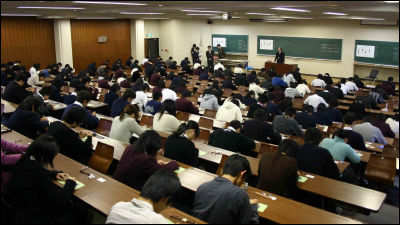
Study finds that not using test scores in admissions exams reduces fairness

As education becomes more diverse, more and more schools are using more than just simple tests for admissions. However, research suggests that without standardized entrance exams, the decision on which students to admit becomes subjective, reducing fairness.
PROOF POINTS: Colleges that ditched test scores for admissions find it's harder to be fair in choosing students, researchers say
https://hechingerreport.org/proof-points-colleges-that-ditched-test-scores-for-admissions-find-its-harder-to-be-fair-in-choosing-students-researcher-says/
American college admissions typically uses the SAT aptitude test and the ACT standardized test. However, the growing disparity in student achievement, where wealthier students can afford private tutoring and achieve higher test scores, and concerns that the SAT only predicts students' academic performance in the first one to two years of college, has led to a growing movement to introduce alternative admissions options. Since the COVID-19 pandemic closed schools and made it difficult for students to take the exams, the majority of universities have discontinued them.
What are the problems with the academic ability assessment method for university entrance exams and what are the newly devised ability assessment methods? - GIGAZINE
By Alberto G.
According to the Hechinger Report, a public university admissions officer explained, 'In an effort to diversify our education and student body, adding test-optional options has made the student admissions process more subjective and time-consuming.' He explained that accepting students without SAT or ACT scores means that officers with their own unique perspectives will divide students into 'pass' and 'fail' positions.
Kelly Slay, an assistant professor at Vanderbilt University , a private university in the United States, is conducting in-depth interviews with admissions officers in 2022 to understand how the removal of SAT and ACT test requirements is affecting universities. According to Slay, admissions officers said, 'There is a lack of clear guidance on how to select students without test scores, making the current process chaotic and stressful.' The overwhelming increase in applicants due to non-test-based criteria is also a source of confusion.

Slay's research involved interviewing 22 admissions officers at 16 universities as of October 2022. The universities varied in type, from public and private, large and small, and religious and secular. Four universities had abolished test requirements several years before the pandemic, while the remaining 12 did so during the pandemic. Universities that introduced test-optional admissions during the pandemic naturally experienced confusion in the selection of non-test-based students. Even more surprising, Slay and his colleagues concluded, is that even universities that had been using test-optional admissions for many years prior to the pandemic still lacked detailed student selection methods.

Slay points out that the confusion caused by the unclear criteria for student selection, the significant increase in applicants, and the shortage of staff due to budget cuts caused by the pandemic may have affected decision-making. While some admissions officers said that 'selecting students based on anything other than test scores felt subjective and unfair,' the confusion and staffing shortages on the ground may have exacerbated 'implicit bias,' which is the opposite of the purpose of test-optional admissions.
'One of the things we've concluded is that having more admissions options doesn't necessarily translate into more racial or socioeconomic diversity,' Slay said. 'And if admissions officers can't figure out how to evaluate students from diverse backgrounds, even if they have the academic ability, those students may be deemed ineligible for admission.'
----
Related Posts: