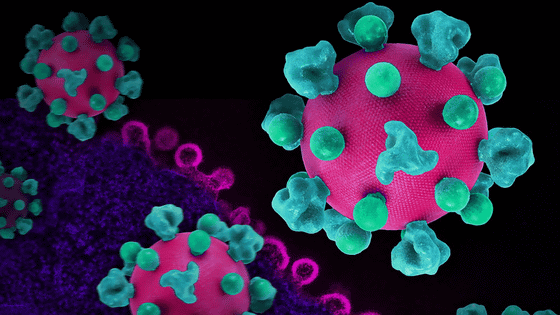
A 14-year-old girl wins a prize of 2.6 million yen for identifying a molecule that could lead to a cure for COVID-19.
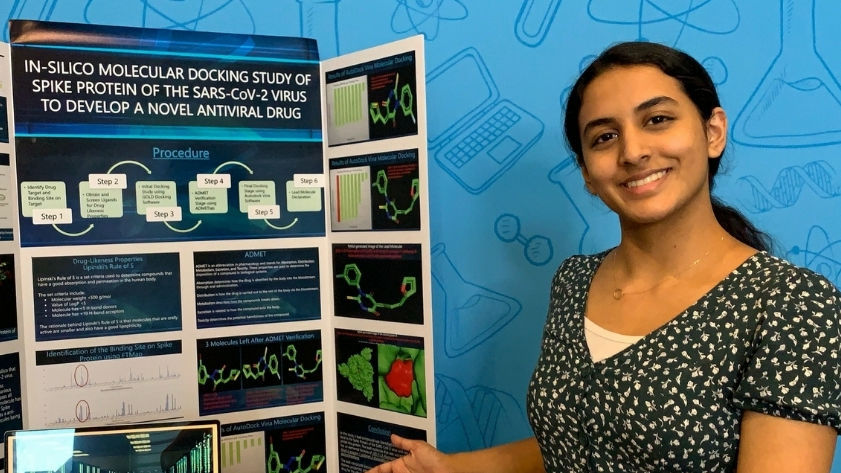
With the number of new COVID-19 cases exceeding
2020 Video Challenge entry | Young Scientist Lab
https://www.youngscientistlab.com/index.php/entry/2397
3M Young Scientist Challenge winner is Anika Chebrolu, who won for a coronavirus discovery - CNN
https://edition.cnn.com/2020/10/18/us/anika-chebrolu-covid-treatment-award-scn-trnd/index.html
America's Top Young Scientist of 2020: 14-Year-Old Researches Spike Protein of SARS-CoV-2 Virus to Develop Novel Antiviral Drug to Combat Spread of COVID-19 | BioSpace
https://www.biospace.com/article/releases/america-s-top-young-scientist-of-2020-14-year-old-researches-spike-protein-of-sars-cov-2-virus-to-develop-novel-antiviral-drug-to-combat-spread-of-covid-19/
Annika Chebrol, a 14-year-old student at Nelson Middle School in Texas, won the 3M Young Scientist Challenge, a US student science competition co-hosted by 3M , a global chemical and electrical materials manufacturer known for Post-it notes and Scotch tape, and Discovery Education, an organization that supports digital learning methods such as remote learning. She won the competition and received a prize of $25,000.
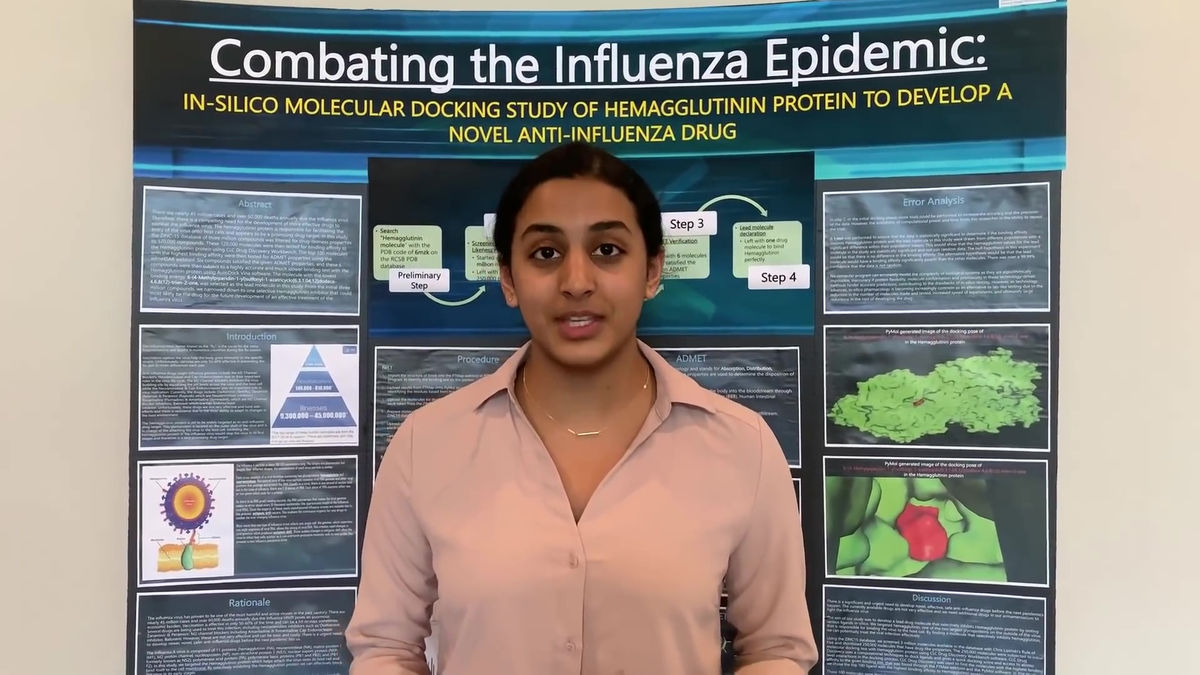
Chebrol's research involves examining existing databases to identify lead compounds that can selectively bind to the new coronavirus (SARS-CoV-2). In the following movie, Chebrol himself explains his research.
3MYSC Submission - Molecular Docking Study of Hemagglutinin Protein to Develop Anti- Influenza Drug - YouTube
Chebrol is speaking about his research in front of the presentation poster.
Chebrol used
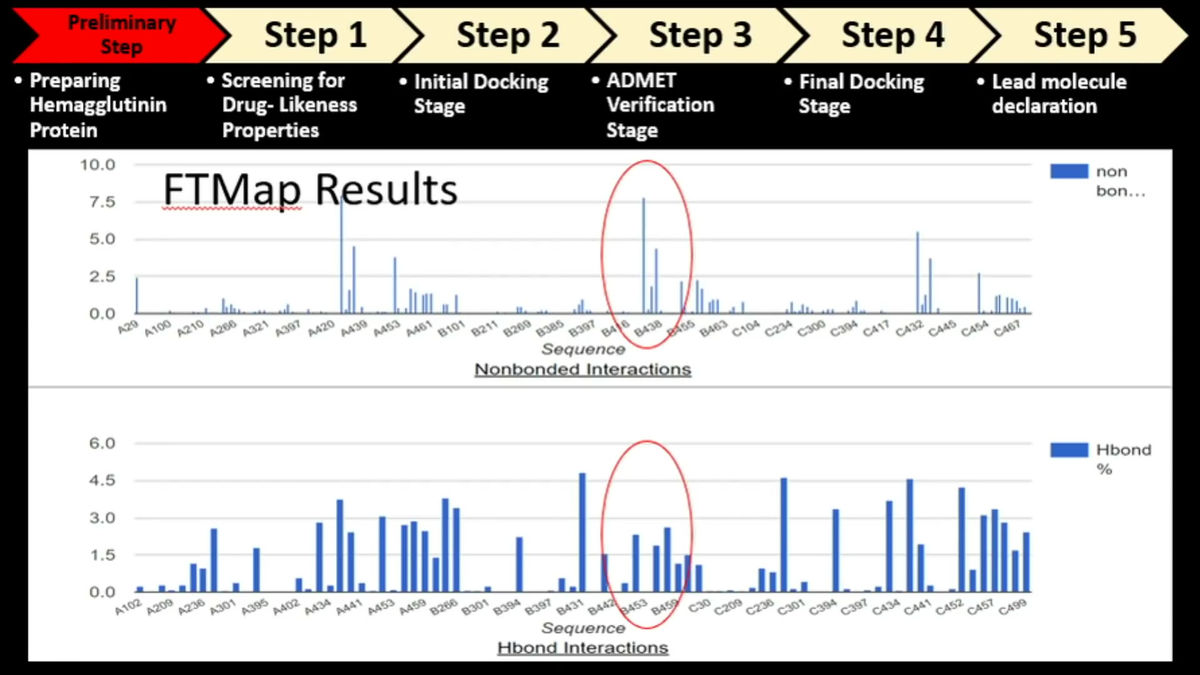
Next, they carefully selected drug molecules from
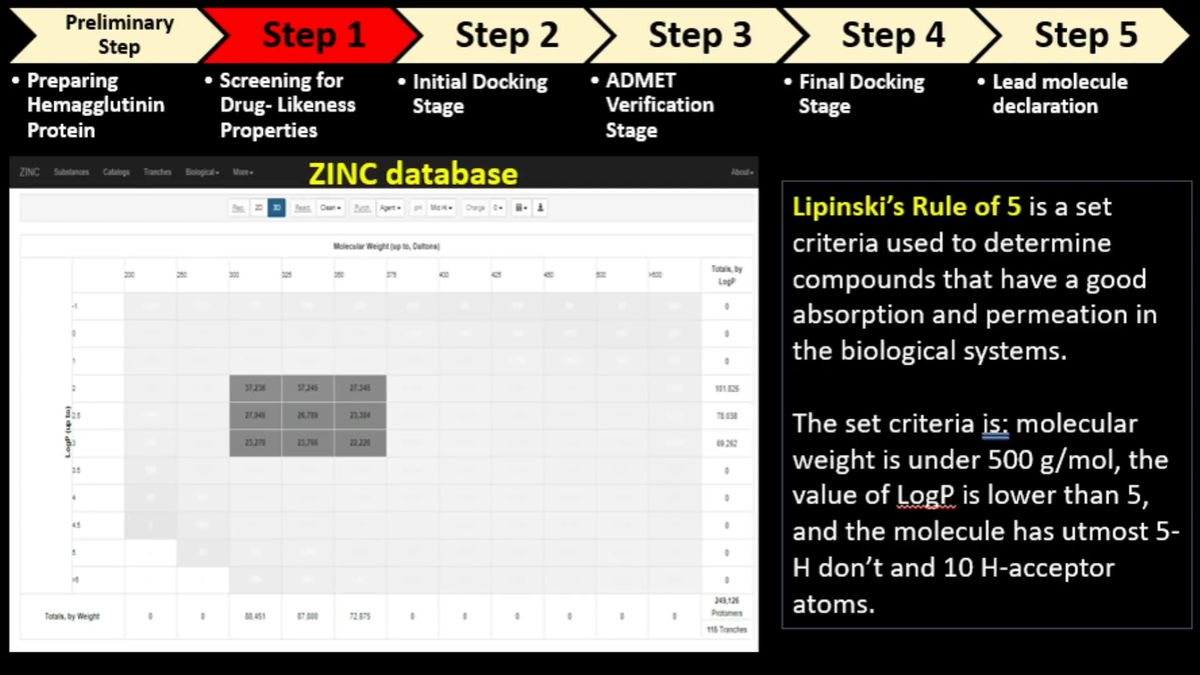
The 250,000 selected molecules were then analyzed using
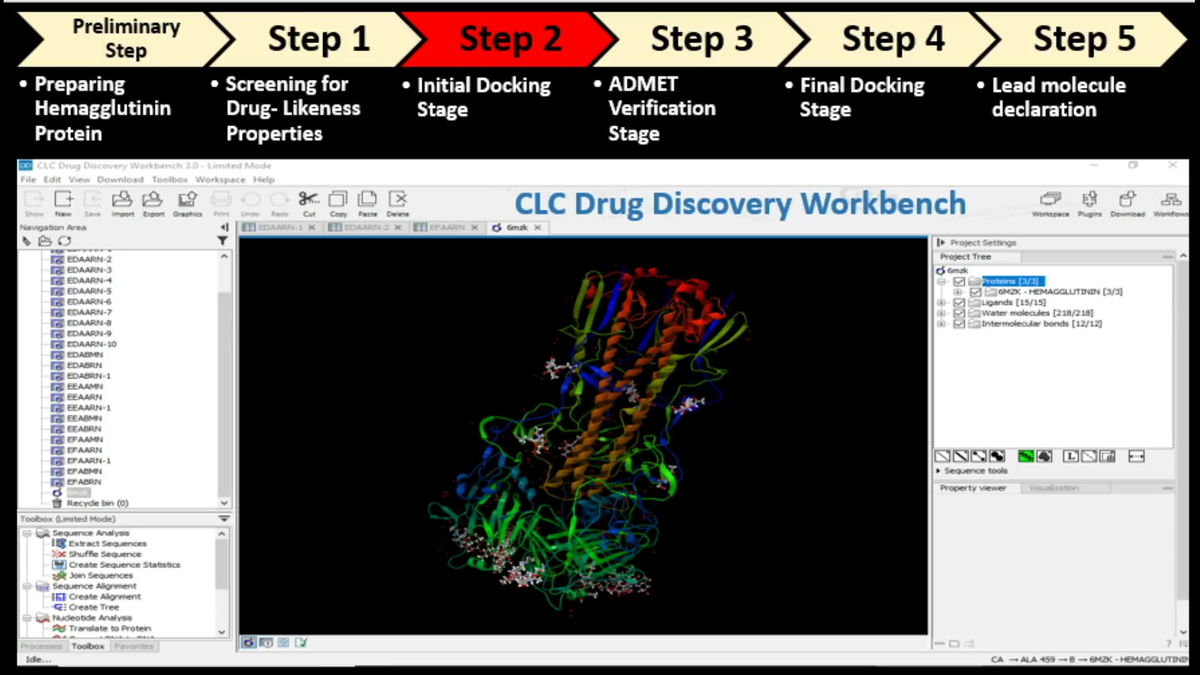
One hundred molecules with particularly high affinity for the potential intervention sites identified by FTmap were subjected to admetSAR 2.0 , a tool for evaluating ADMET properties, and six final candidates were selected.
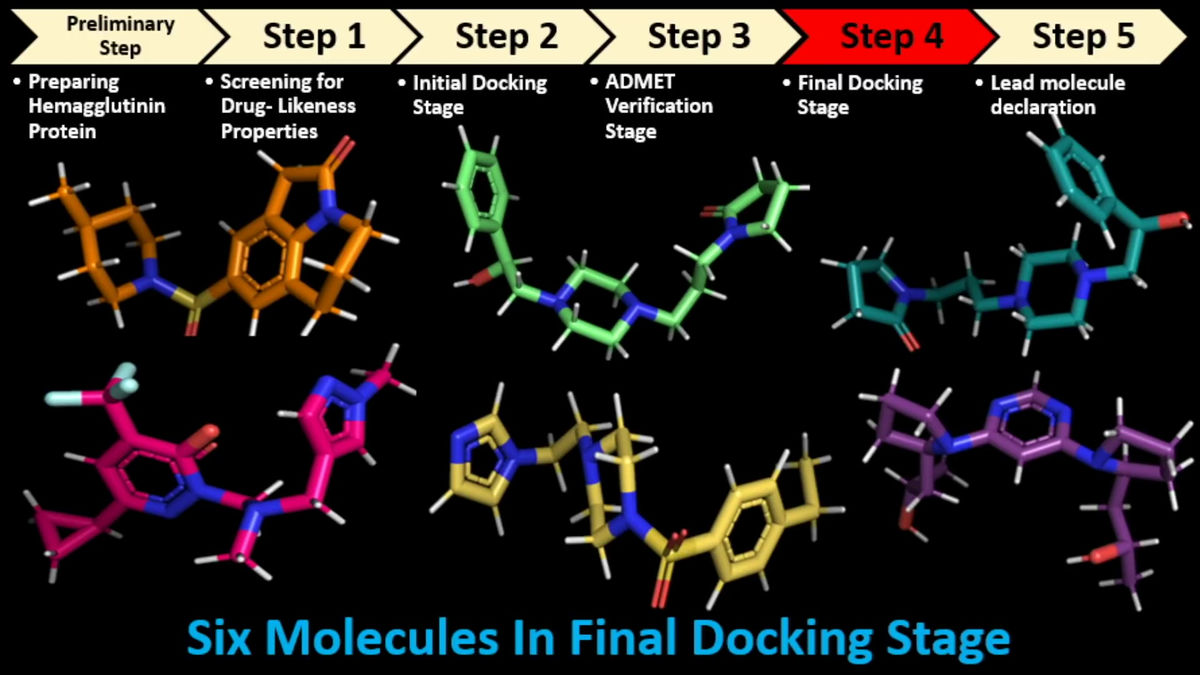
These six final candidates were then entered into
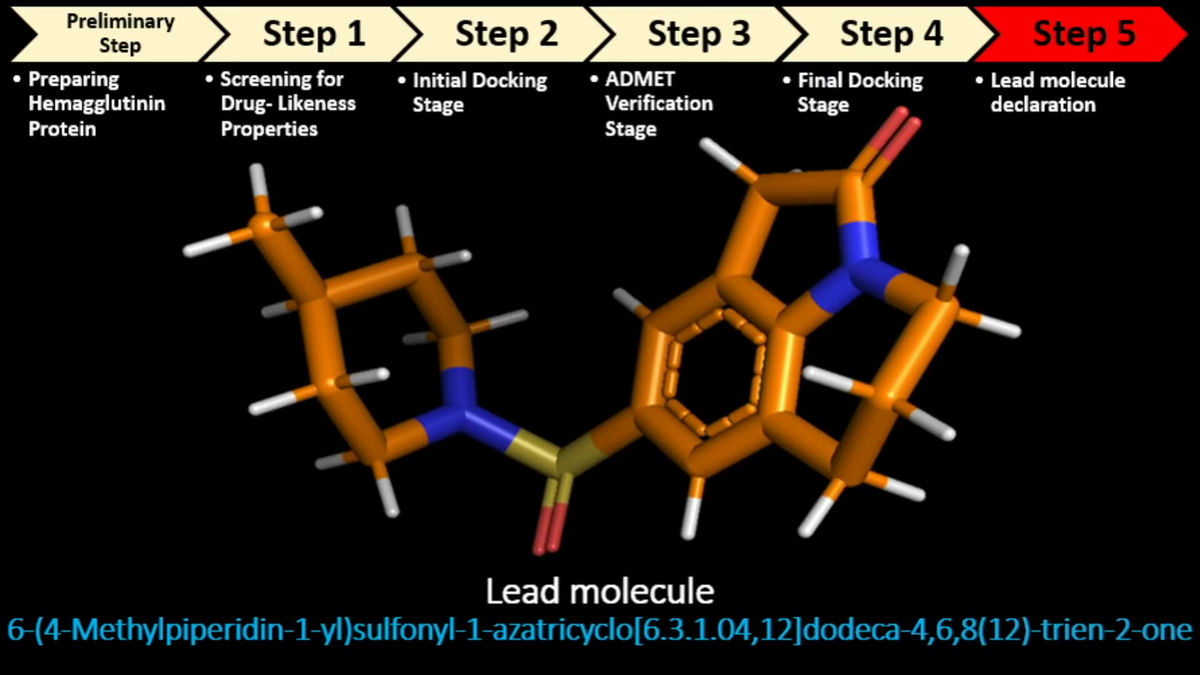
Dr. Cindy Moss, a judge for the competition, said, 'Chevrol's research was comprehensive, examining numerous databases. She also had a deep understanding of innovation and excellent communication skills. Her desire to use her time and talents to make the world a better place gives us hope.' Upon receiving the award, Chebrol commented, 'I believe the widespread media coverage of my research reflects our hope that the COVID-19 pandemic will end.' She added, 'I hope that the lead molecule I presented today will be useful in actual drug discovery.'
Related Posts: