It turns out that banning smartphones at school has an impact on academic performance, equivalent to one hour of study time per week
By
There are opposing views on smartphones and mobile phones, with some saying they disrupt learning and others saying they enable more efficient learning. However, a study conducted in a UK school found that banning mobile phone use improved students' academic performance.
How smart is it to allow students to use mobile phones at school?
http://theconversation.com/how-smart-is-it-to-allow-students-to-use-mobile-phones-at-school-40621
(PDF file) Ill Communication: Technology, Distraction & Student Performance
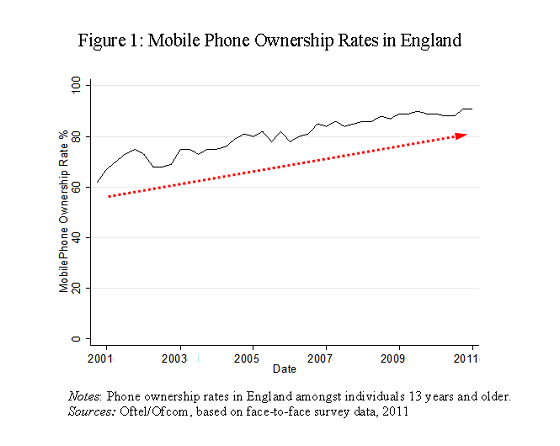
The study was conducted by economists Associate Professor Richard Murphy and Associate Professor Louis-Philippe Béland. They looked at four UK cities where smartphones are particularly prevalent among young people: Birmingham, London, Leicester, and Manchester. They found that since 2001, mobile phone ownership among students in the UK has risen from just over 60% to roughly 90%. In comparison, the ownership rate in the US is 73%.
The associate professor investigated the relationship between mobile phone policies implemented in schools in four cities since 2001 and academic achievement test results. His findings revealed that schools that banned mobile phone use on school grounds saw a 6.4% increase in average test scores.
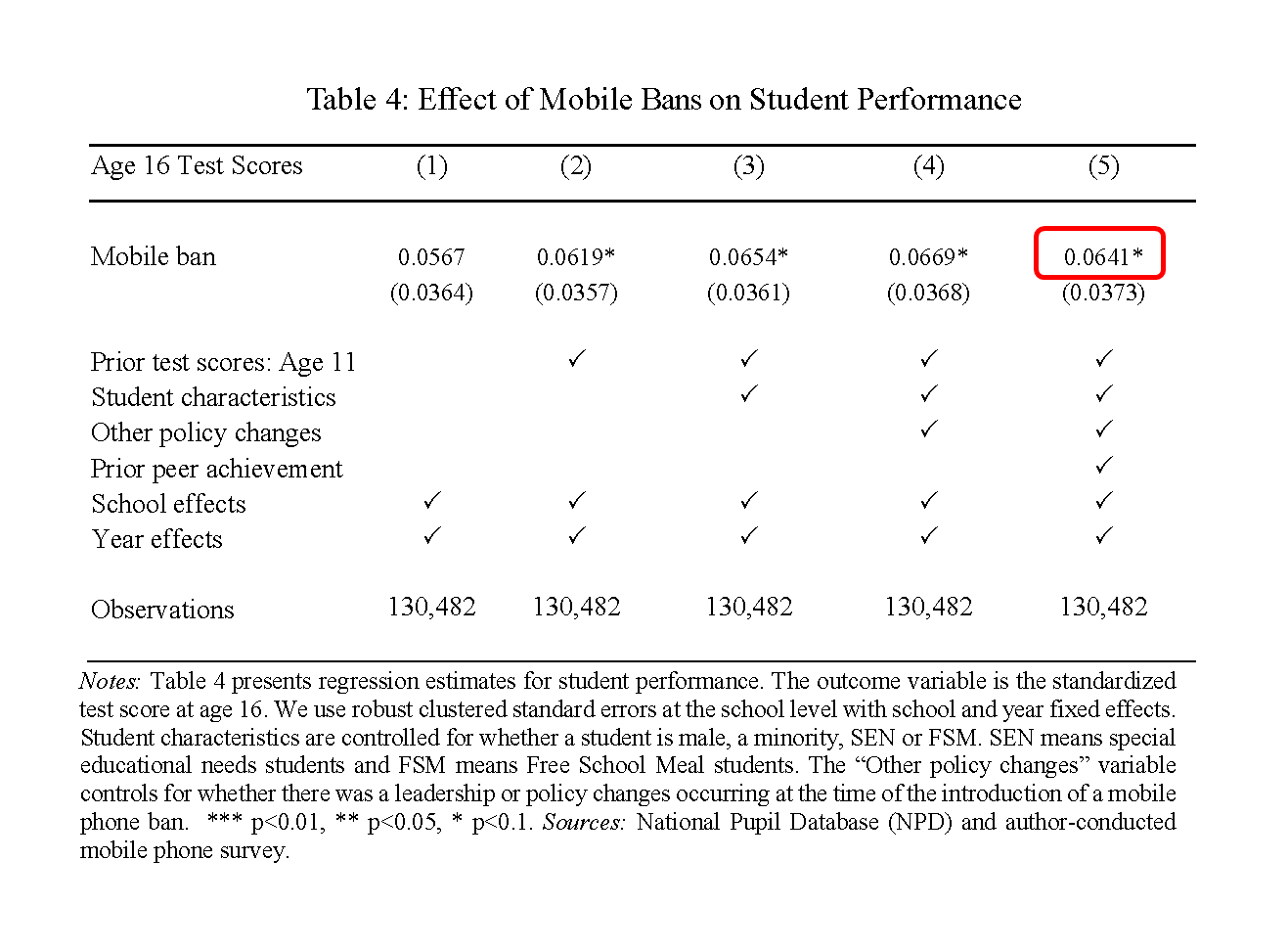
In particular, it was revealed that students whose grades were initially poor saw their scores increase by as much as 14%.
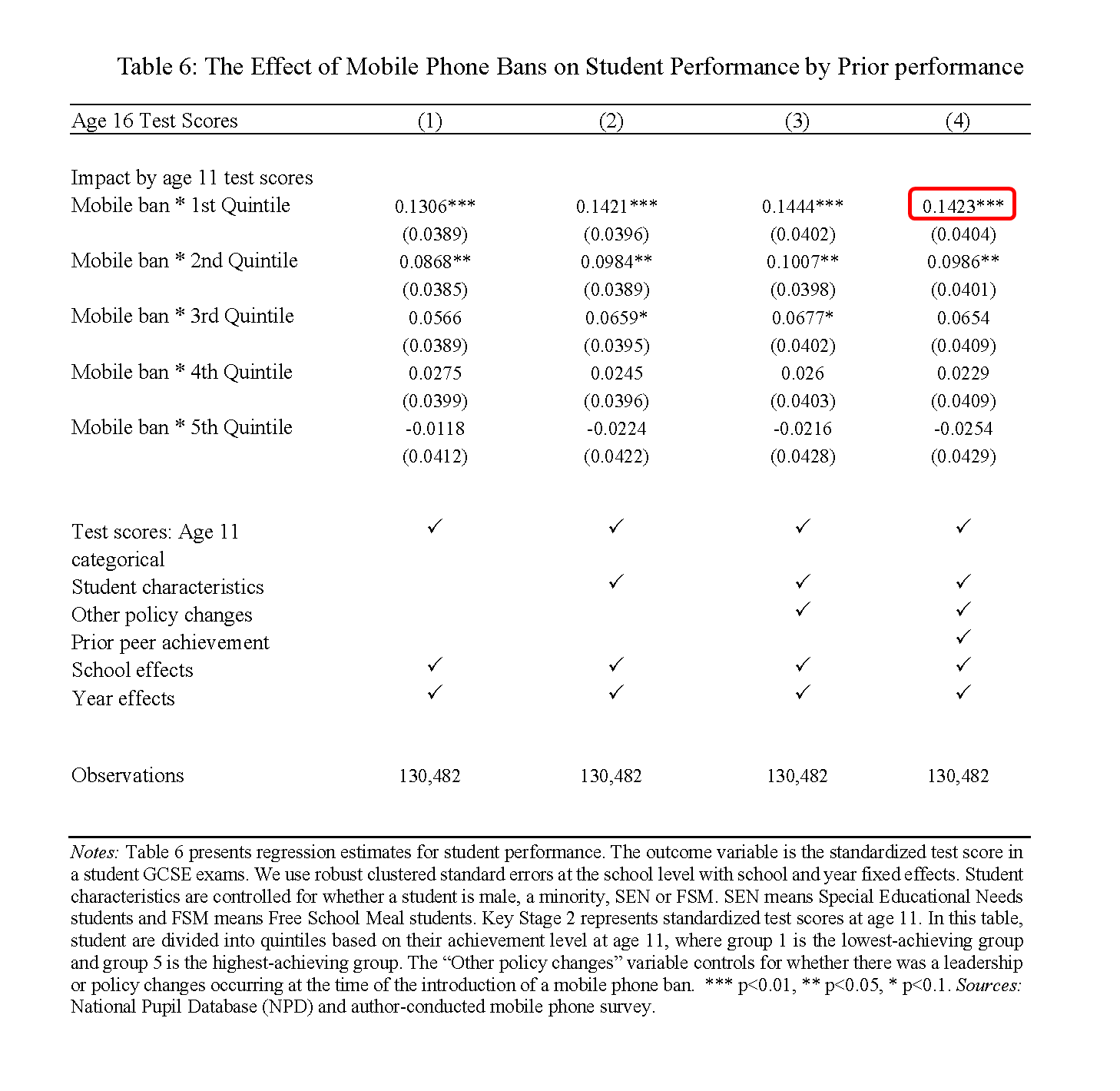
In response to these results, the two associate professors stated, 'Banning students from using cell phones at school has the effect of increasing study time by one hour per week, or five additional school days per year.' Furthermore, they noted that the effect was greater for students with lower academic ability, pointing out, 'It is important to note that this improvement in academic ability is particularly pronounced for the lowest-performing students. Changing school policies to allow cell phone use could widen learning disparities,' sounding a warning against lifting the ban on cell phone use, which could lead to academic disparities.
However, it is interesting to note that the report found no clear effect of allowing mobile phones on students who had already achieved high grades. Based on this, the report points out that 'students with poorer grades appear to be more susceptible to the distractions of mobile phones.'

By Dean Shareski
The two associate professors said, 'These results do not cast doubt on the possibility that technology, such as mobile phones, can be used effectively in learning if used appropriately,' but suggested that 'the presence of mobile phones in schools should not be ignored.'
In March 2015, New York City repealed its law banning cell phones in city schools, leaving it up to each school to decide whether to allow them to use them, with the aim of 'eliminating inequalities in learning.' The two associate professors expressed concern about this move, pointing out that it could lead to negative outcomes, with the impact being particularly pronounced for low-income students and those with low academic ability.
Mayor de Blasio and Chancellor Fariña to Lift School Cell Phone Ban | City of New York

Related Posts: