I went to the 'Business Contest Delta 2008' to get a glimpse into the realities of current university students from the relaxed education generation.
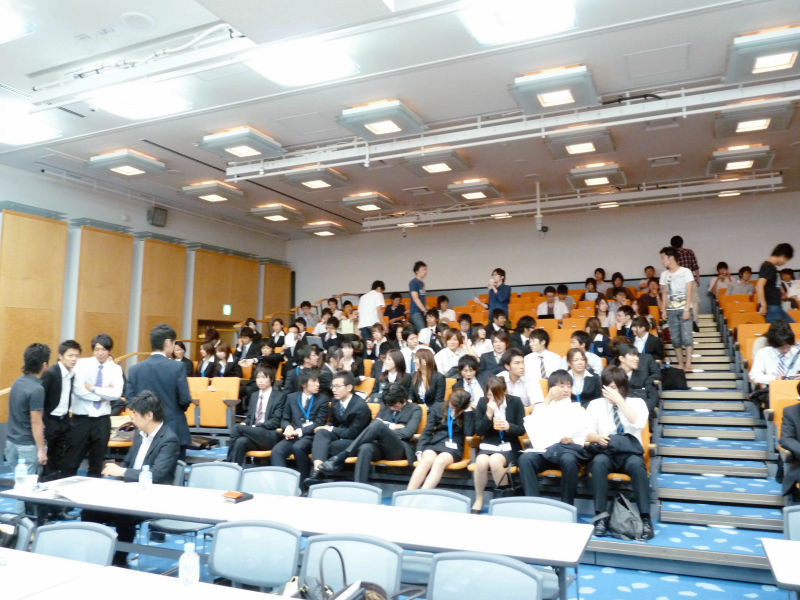
The '
The contest itself is the largest business plan contest in the Kansai region, held over six days and five nights, and features a rather unusual format : a training camp-style team system where participants meet for the first time . In other words, participants form teams with people they've never met before and complete their business plans in a very short period of time. It's not aimed at people who enter business plan contests all the time and make a killing with prize money, but rather at beginners who have just a passing interest in business, and it aims to be a bottom-up competition. As a result, it's often more about ideas than completeness, and many plans that would never be seen in a regular business plan contest are produced.
So, let's take a look at what today's college students are like. See the photo report below. There's also a video at the end.
The final venue on the last day is here, Osaka Industrial Creation Center.
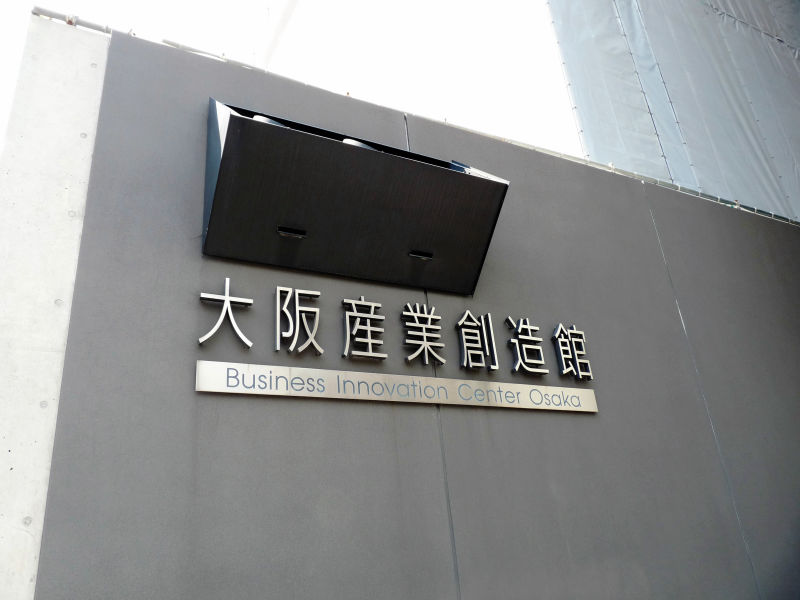
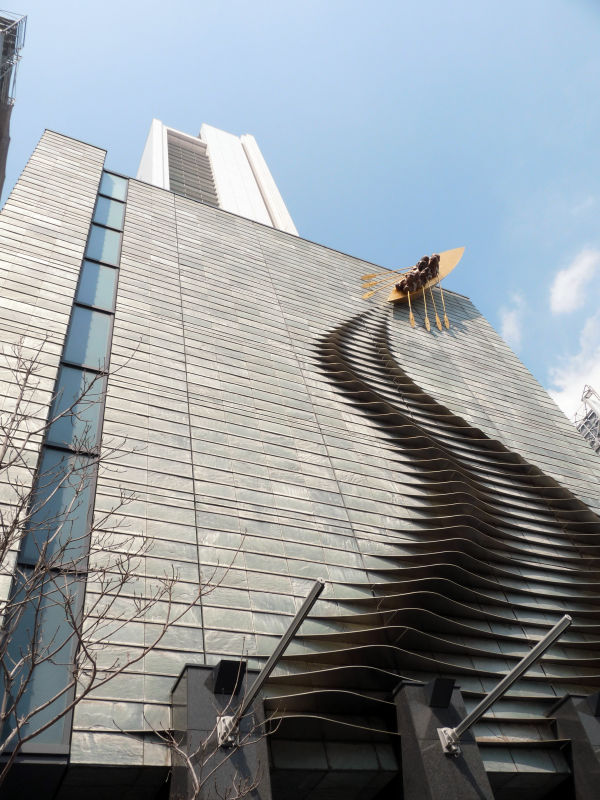
The building looks like this
There are also supporting companies
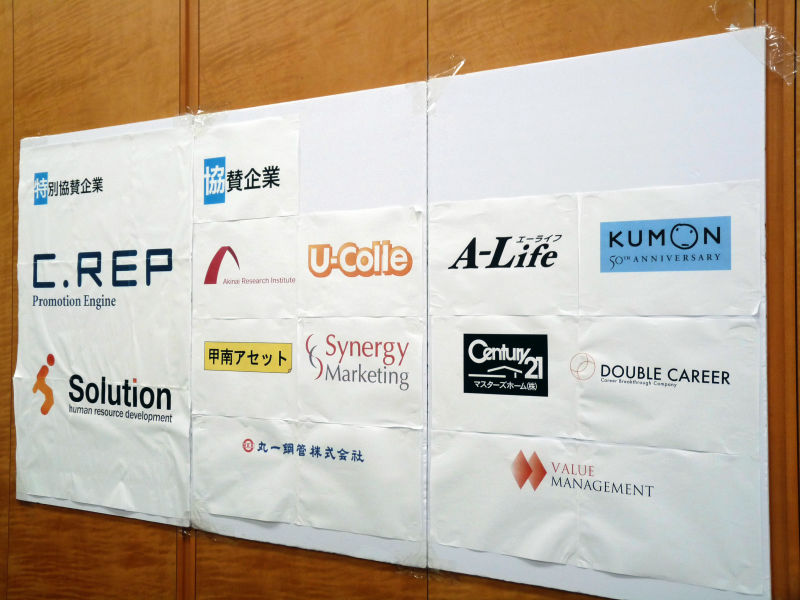
Lots of people
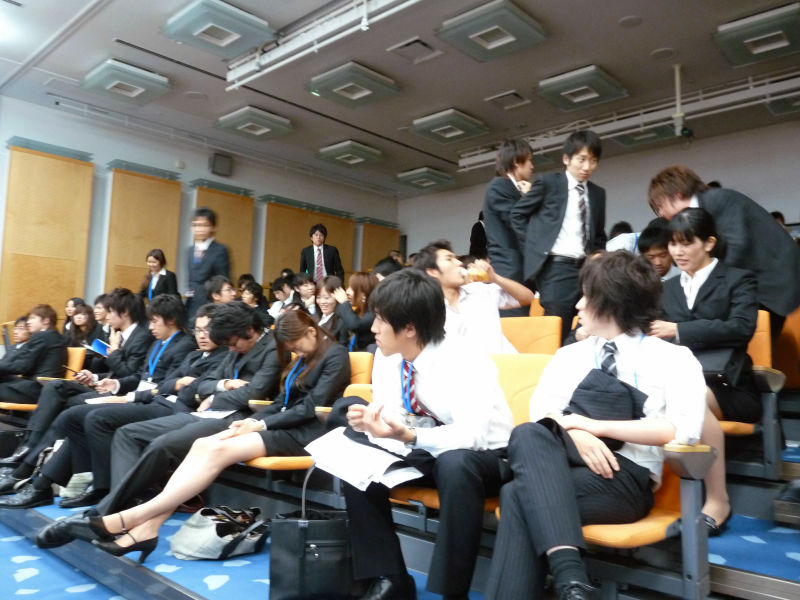
The four teams that made it to the finals
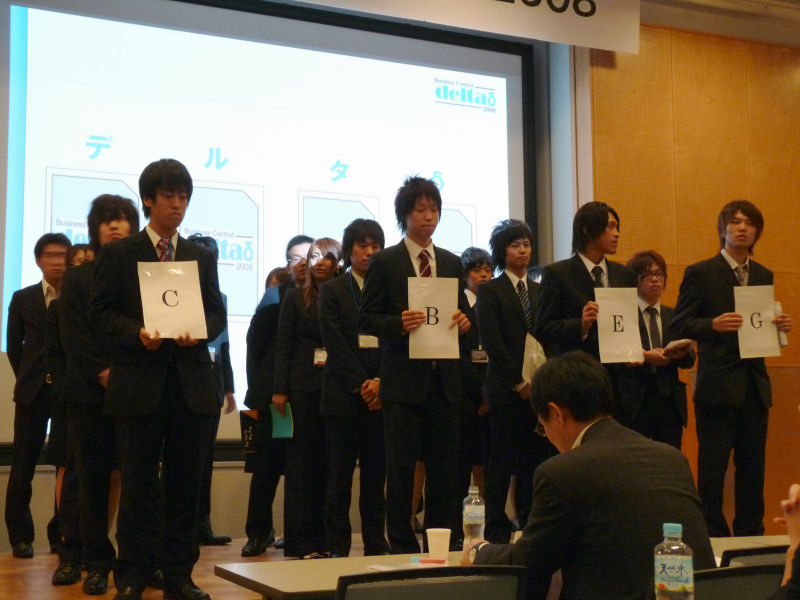
So, the plans that made it to the finals this time were as follows.
■'KIDs★NA' ~A new type of children's lunch specialty store~
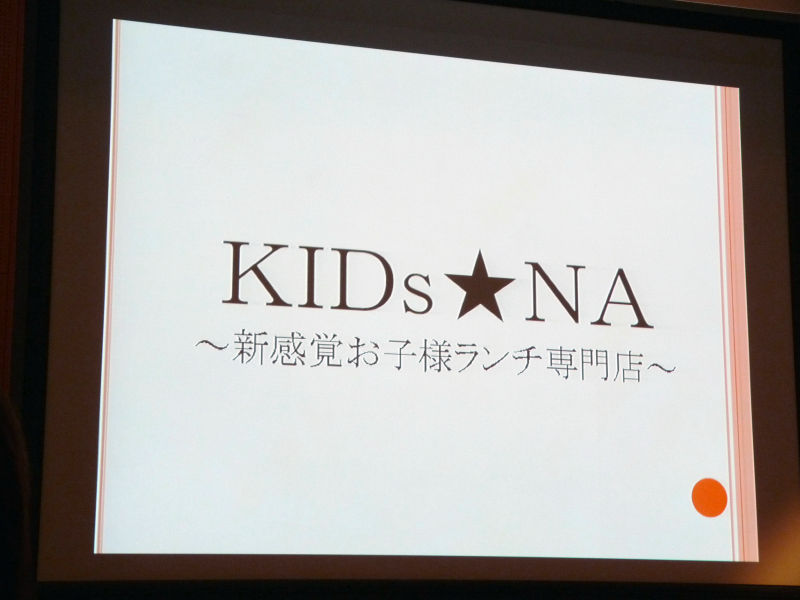
Presentation content:
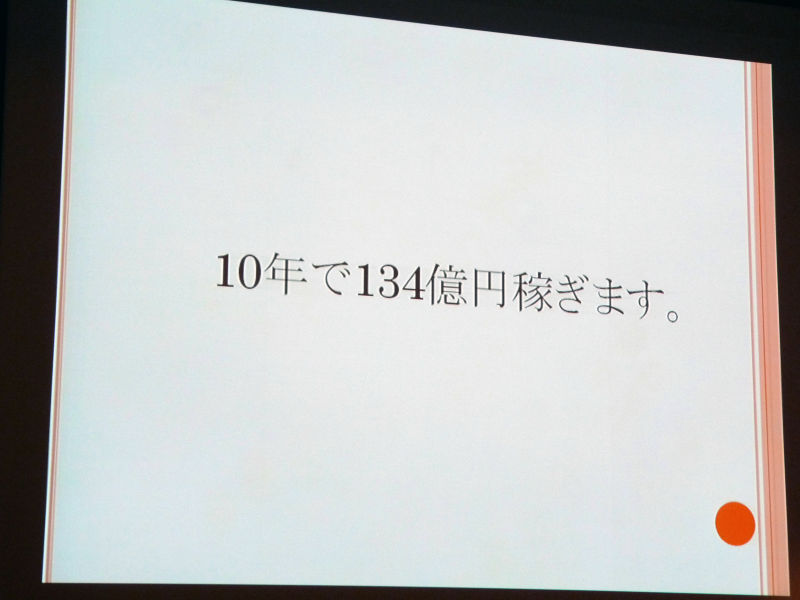
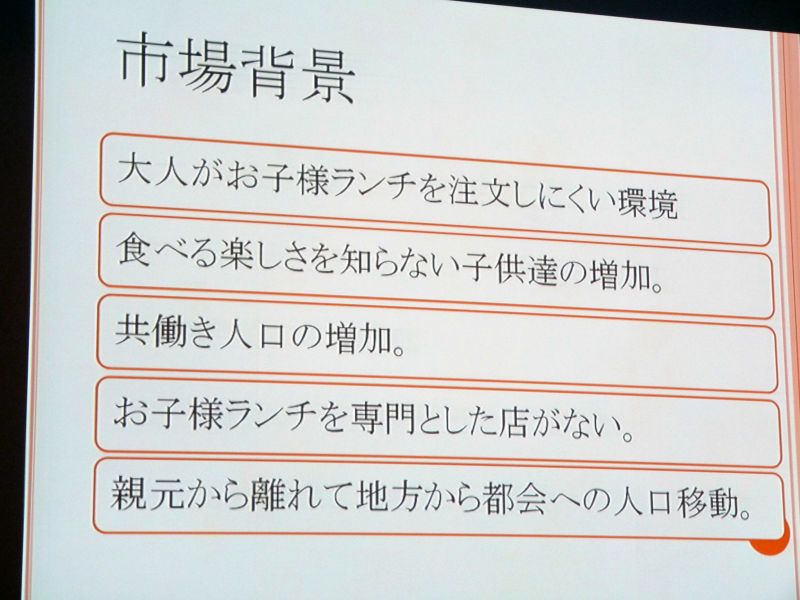
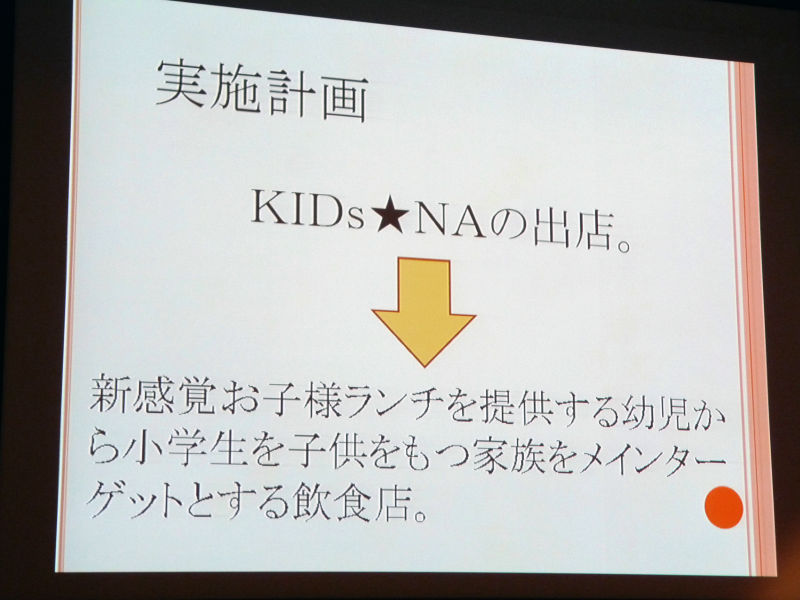

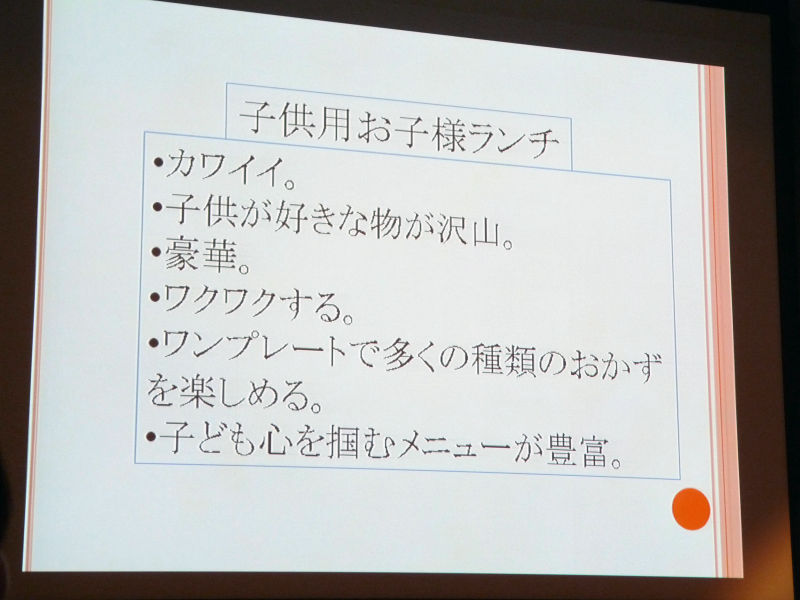
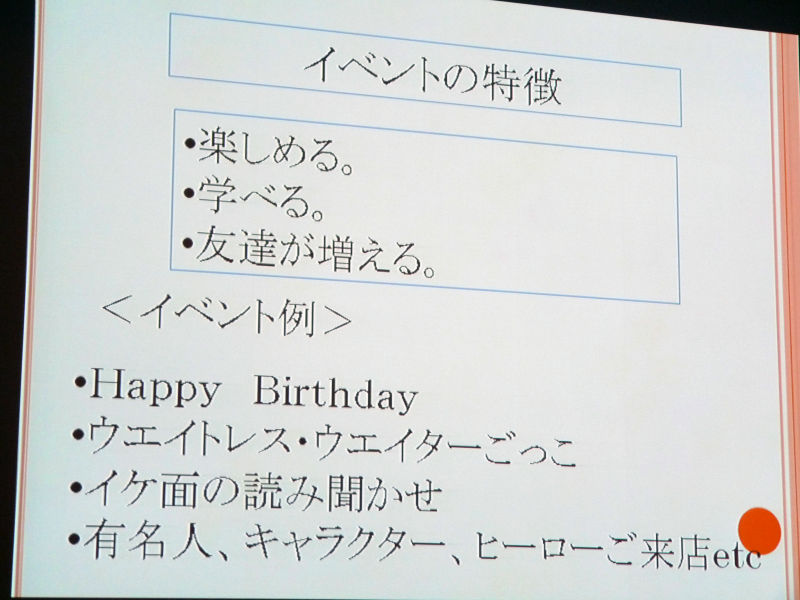


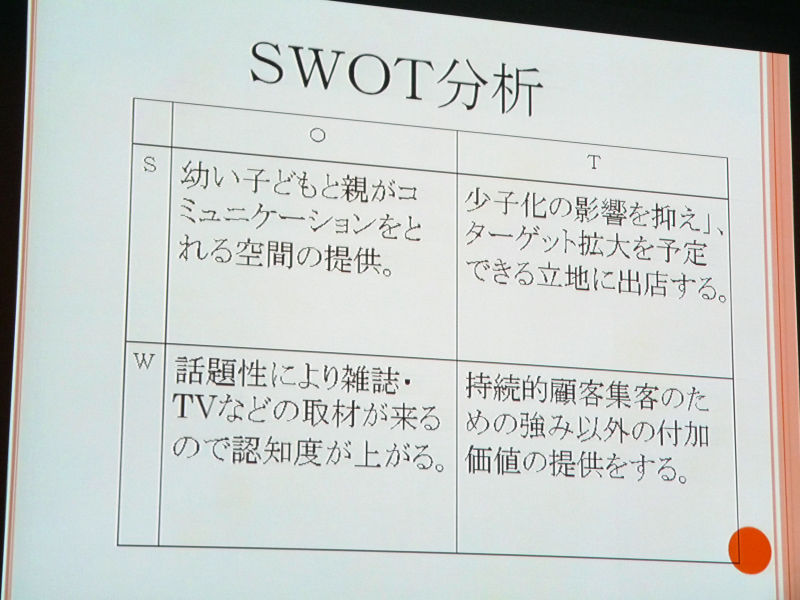
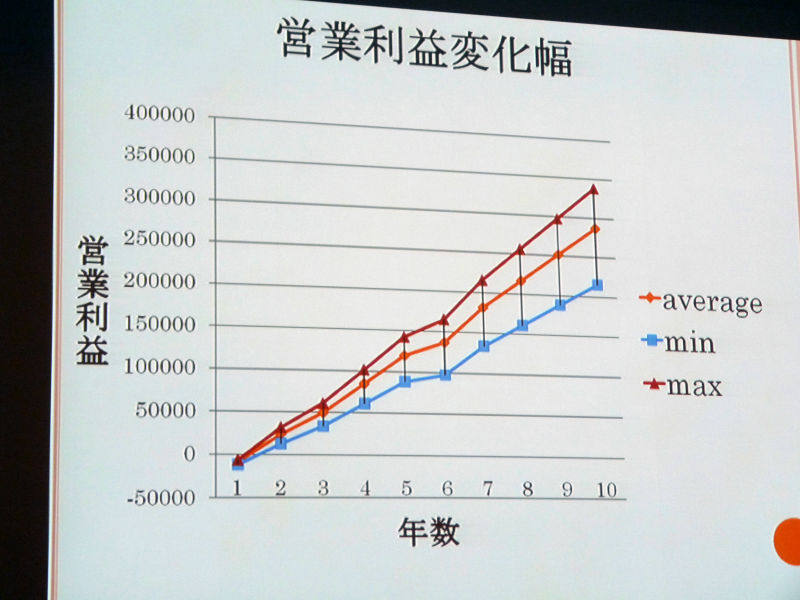
overview:
・Open a store specializing in children's lunches. However, the key point is that it is not just targeted at children, but also caters to adults.
・As an industry, it is classified as the restaurant industry, but as the restaurant industry is prone to being imitated, they always have dozens of different kinds of children's lunches available. They customize them by incorporating what is popular at the time, and even if others copy them, they continue to create new ones.
-The average customer spending is assumed to be closest to that of a family restaurant, so it is calculated at 1,001 yen.
- The seating capacity is expected to be 90 seats, compared to 80 to 100 seats at a family restaurant.
・The turnover rate for family restaurants exceeds 6, but we have calculated it as 4, based on a low estimate.
-Business hours are 12 hours from 10am to 10pm.
- How do they compensate for fluctuations in sales due to time? At lunchtime, there are no children because they are at kindergarten, but the concept is that adults can enjoy themselves, so they manage to cover this somehow. However, at 2 p.m., no one comes to eat lunch, so they hold 'weekday classes.' This is a system that is adopted when the customer turnover rate falls below 3.3. These classes are intended for children and their parents. However, the judges pointed out, 'What will you do about children being at school at this time?'
Personal impressions:
Despite his presentation being quite fast-paced, he didn't finish within the allotted 10 minutes. Perhaps he was a little nervous about being the first to present? Regardless, he had put a lot of thought into the numerical aspects, and it seemed like it could work at any restaurant, not just a kids' lunch. This is a good example of how incorporating numbers can make even a simple one-off idea more realistic. The advantages and disadvantages were fairly clear, so it seemed like if he could eliminate the disadvantages one by one, it would turn out to be a reasonable plan. His presentation skills were weak, but he seemed to have done well in other aspects.
■ Coeducational school
Presentation content:

overview:
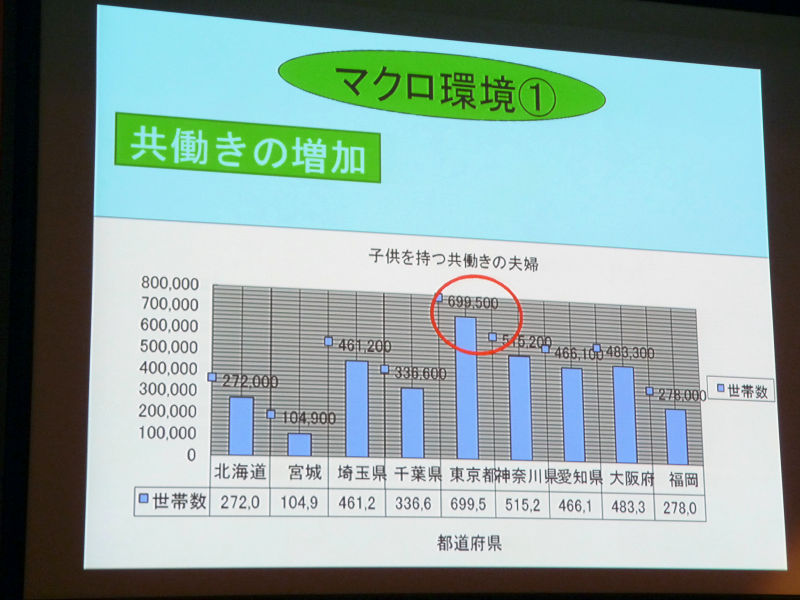
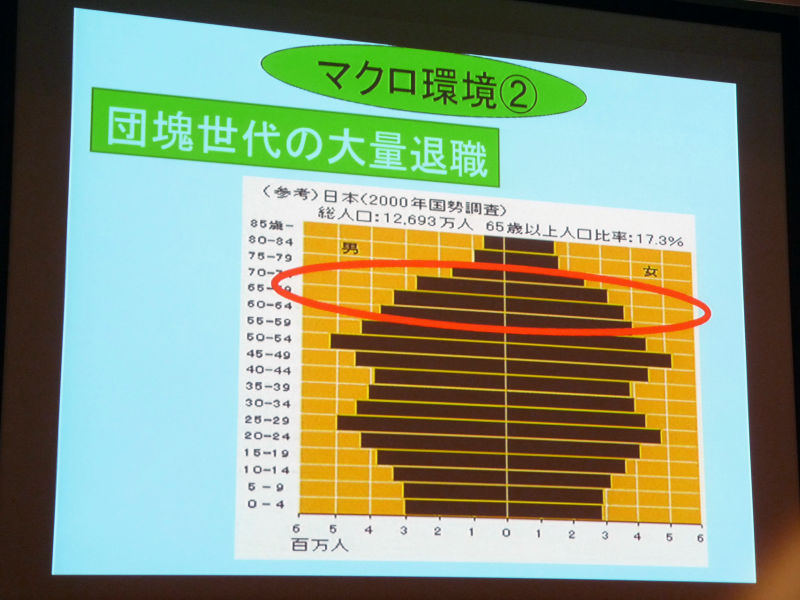
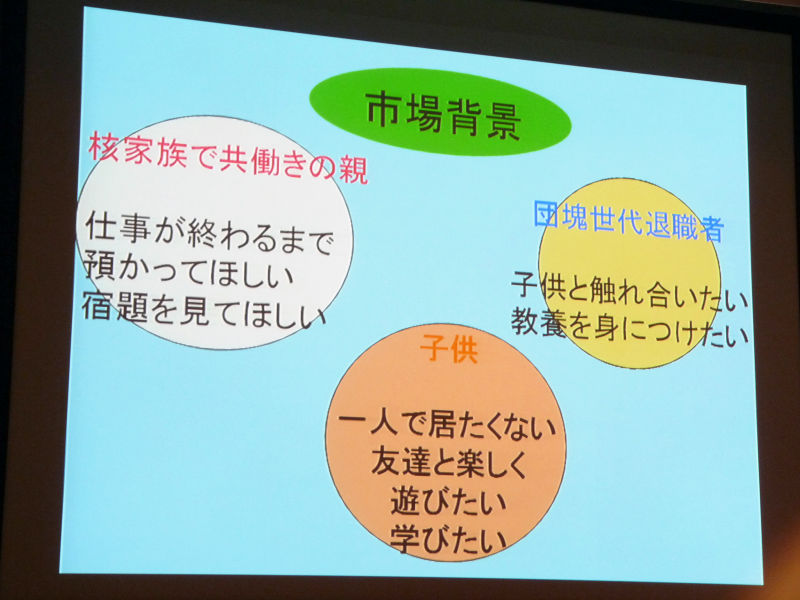
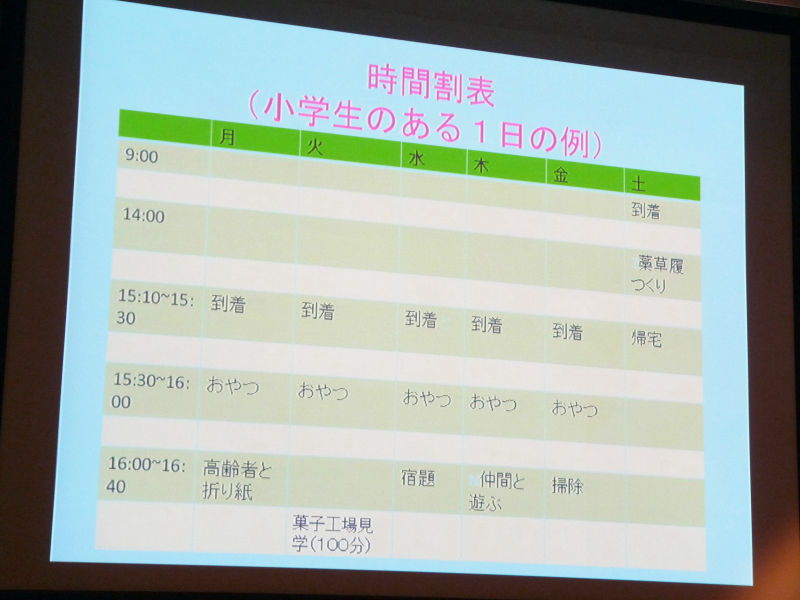
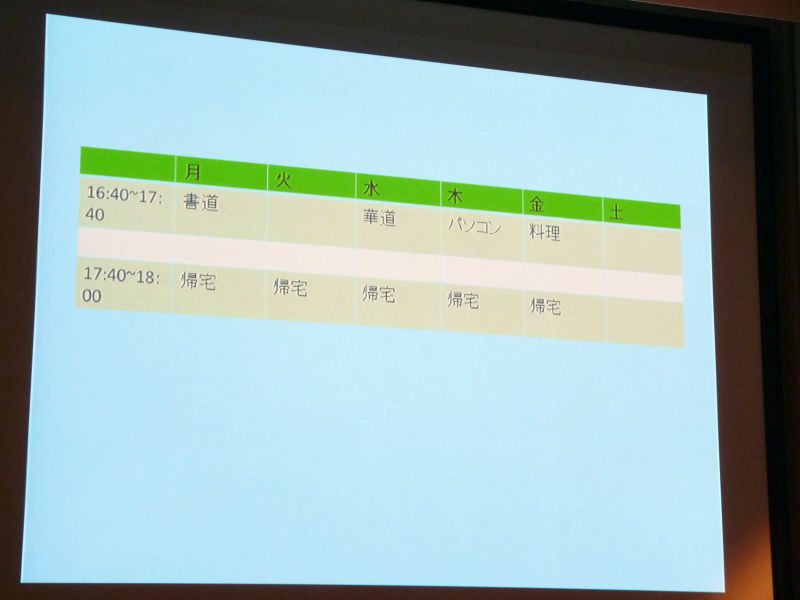
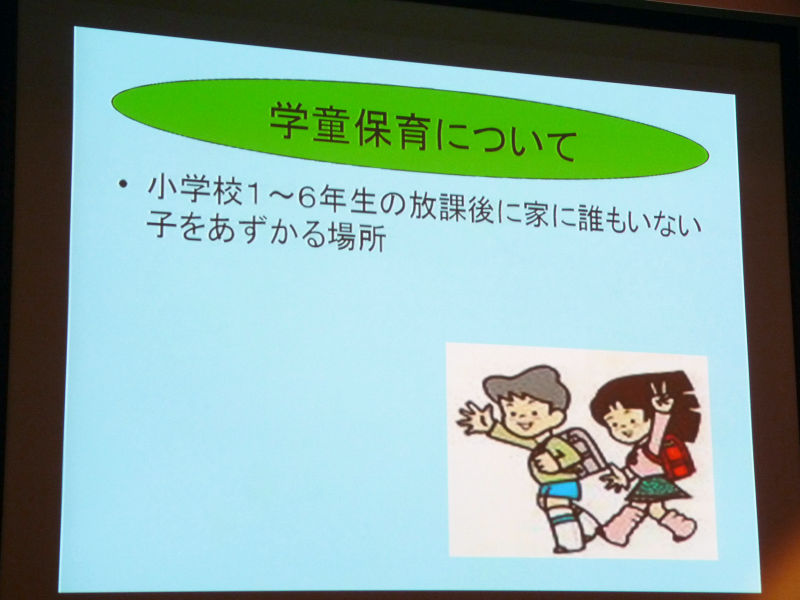
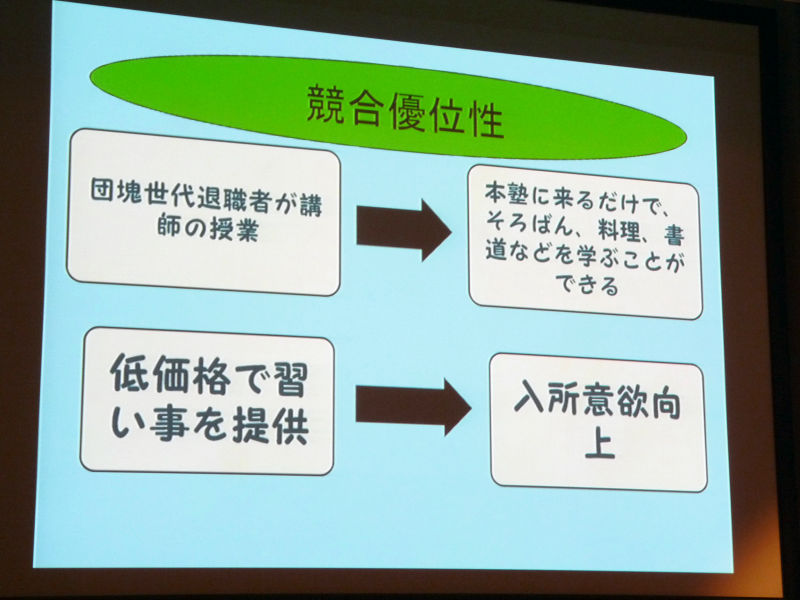
・In addition to the increase in dual-income households with children, attention is being paid to the fact that a large number of baby boomers are retiring. The idea is to provide a place for both of these people to learn together.
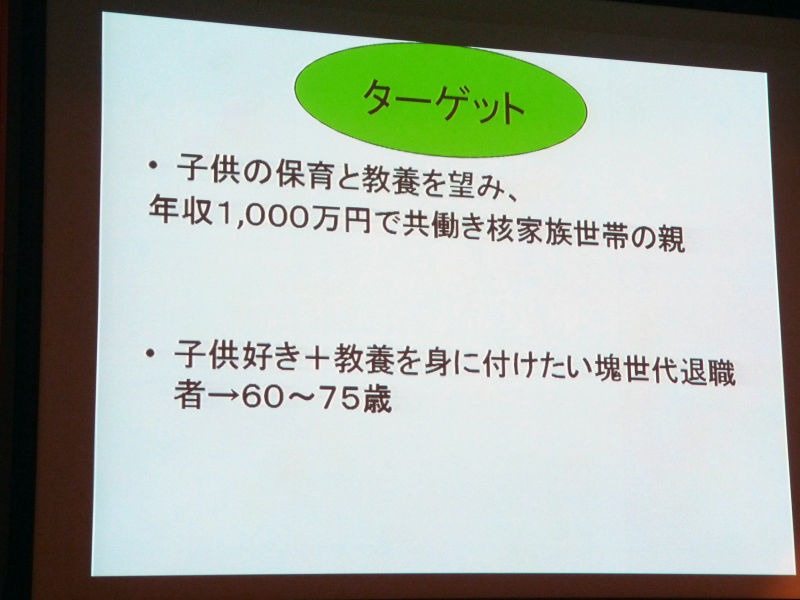
The target audience is parents in dual-income nuclear families with an annual income of 10 million yen, and retired baby boomers aged 60 to 75 who love children and want to acquire culture.
・Cram schools and after-school childcare are competitors. However, because the content is completely different from that of cram schools, they are a different target and we do not believe they will compete.
- The percentage of first to sixth graders who do not attend cram schools is 6% overall, with most elementary school students attending cram schools or other extracurricular activities.
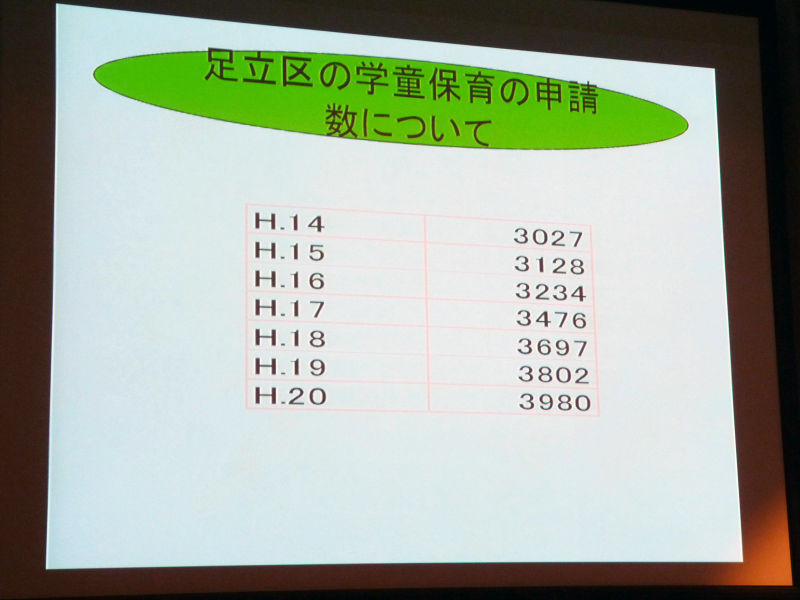
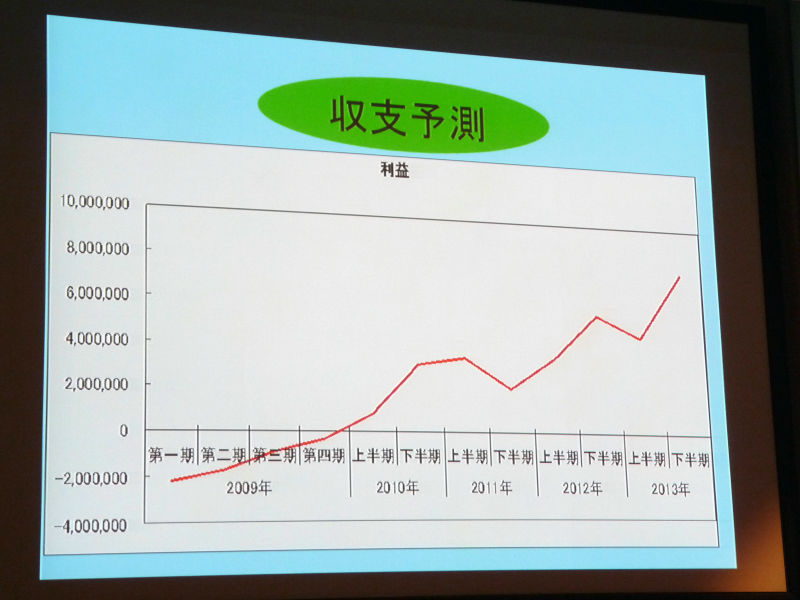
- Adachi Ward is used as a sample to create income and expenditure forecasts.
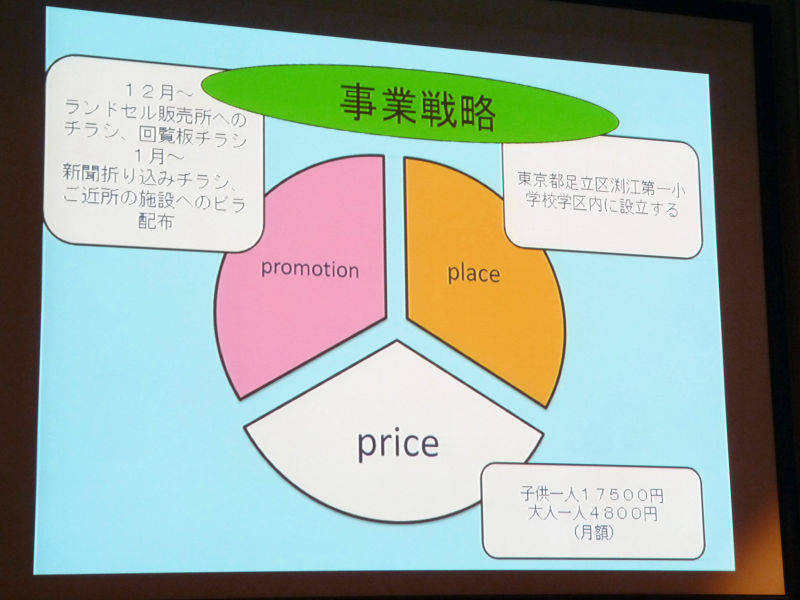
・For regular after-school care, the upper limit is 6,000 yen in Adachi Ward. The highest is around 12,000 yen, and the lowest is free. The estimated price is 17,500 yen per child per month, and 4,800 yen per adult per month.
- We charge money to people from the baby boomer generation to come and learn together.
-We plan to create content that utilizes the knowledge and know-how of the baby boomer generation.
Regarding location, after-school care is typically conducted within schools, public facilities, or private homes rented by children's associations. In other words, there are already private facilities available.
Personal impressions:
It feels like it's filling a gap that public services can't, but it doesn't quite feel realistic. One of the judges pointed out that 'wouldn't it be good to target single mothers?' and I completely agree. It's unlikely that wealthy families would be able to send their children to a place like this, so I felt that they should target places with more pressing needs. However, considering this small market and the future of a declining birthrate, I'm quite worried about how far it will go as a business. It's unfortunate that it felt like it wasn't well-thought-out enough.
■ Nominya (Delivery Izakaya)
Presentation content:
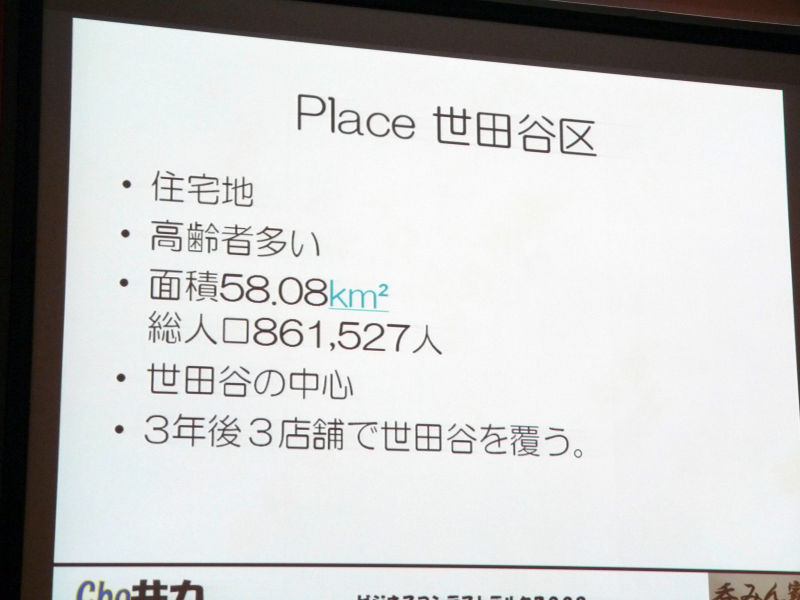
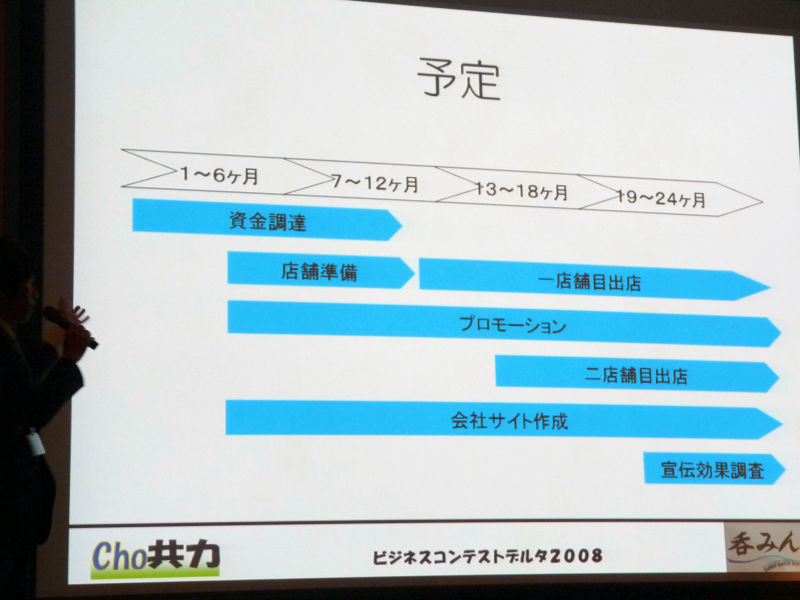
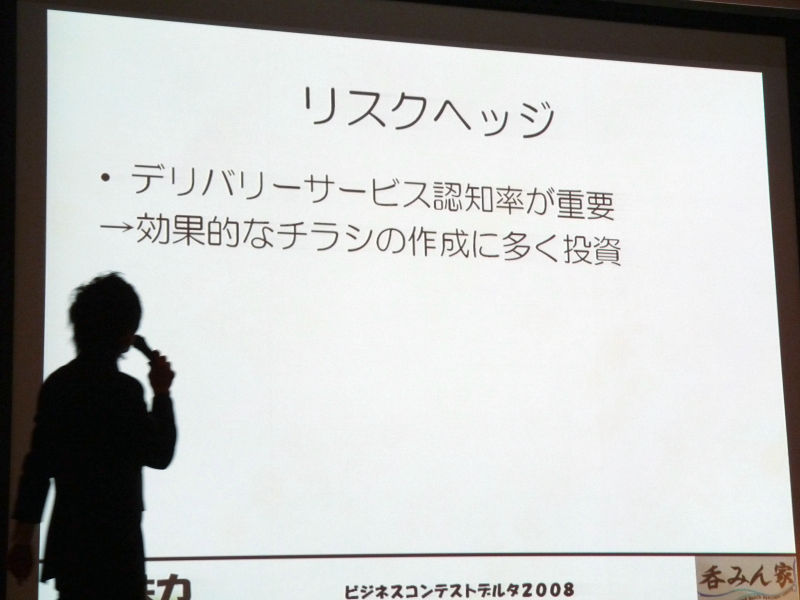
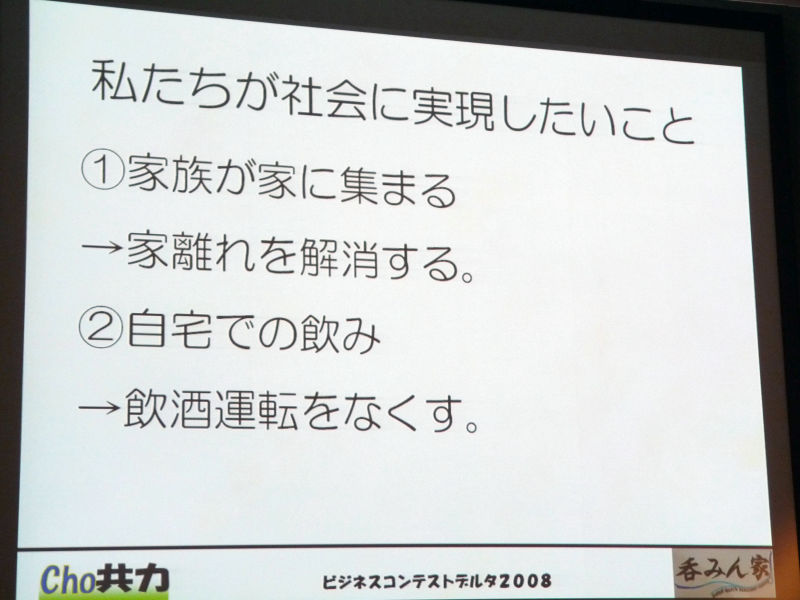
overview:
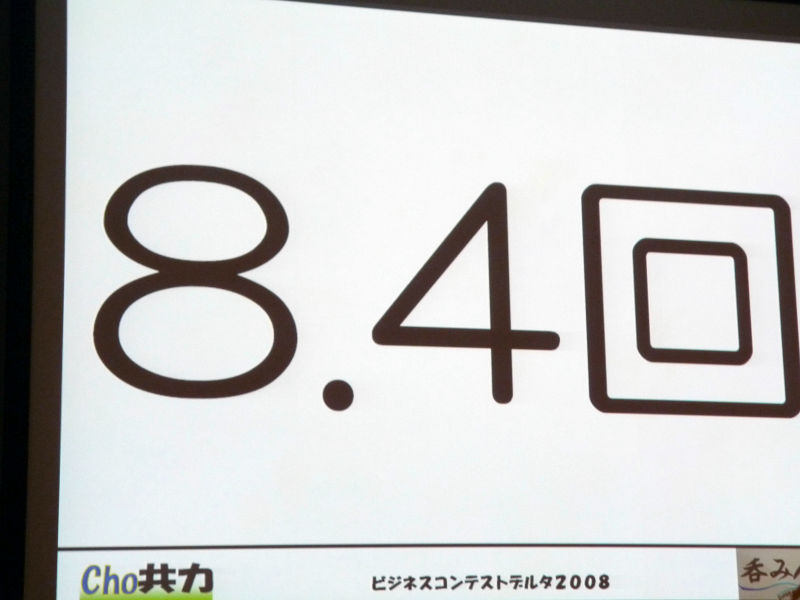
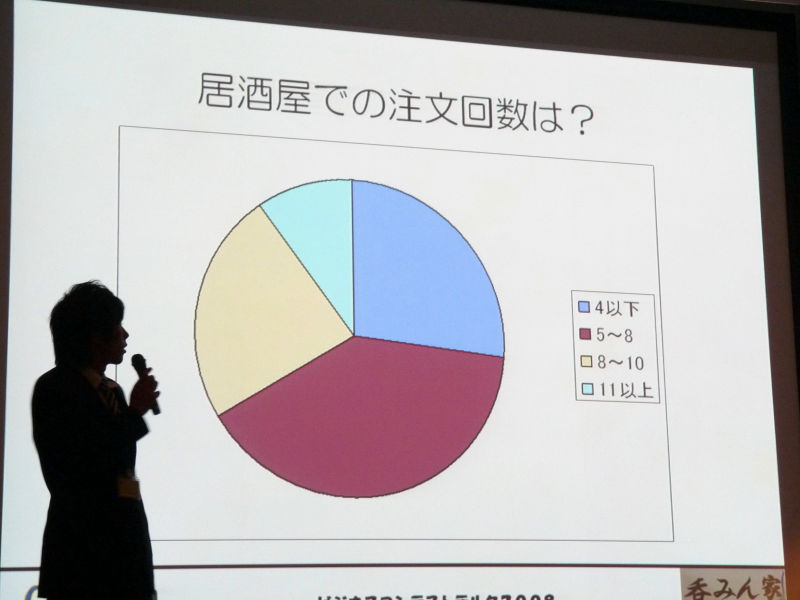
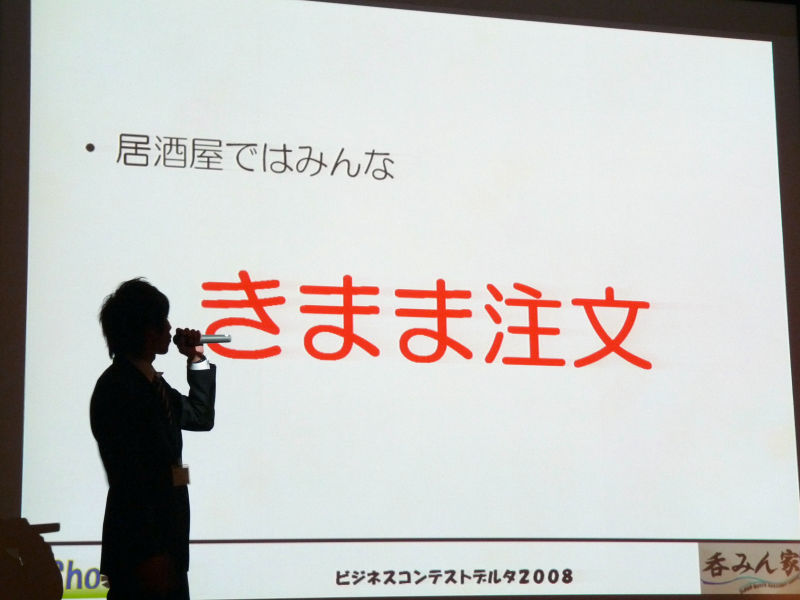
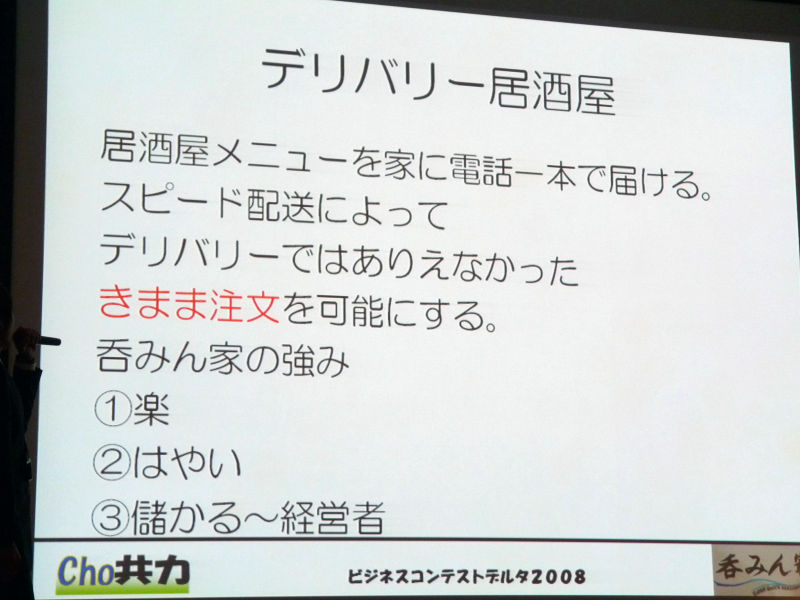
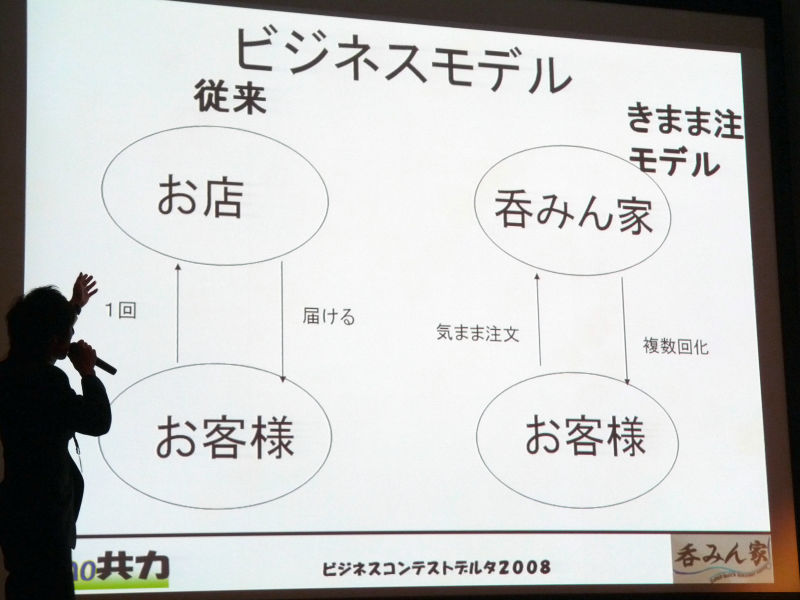
・The average number of times people order at an izakaya is 8.4 times. This is because they tend to order casually.
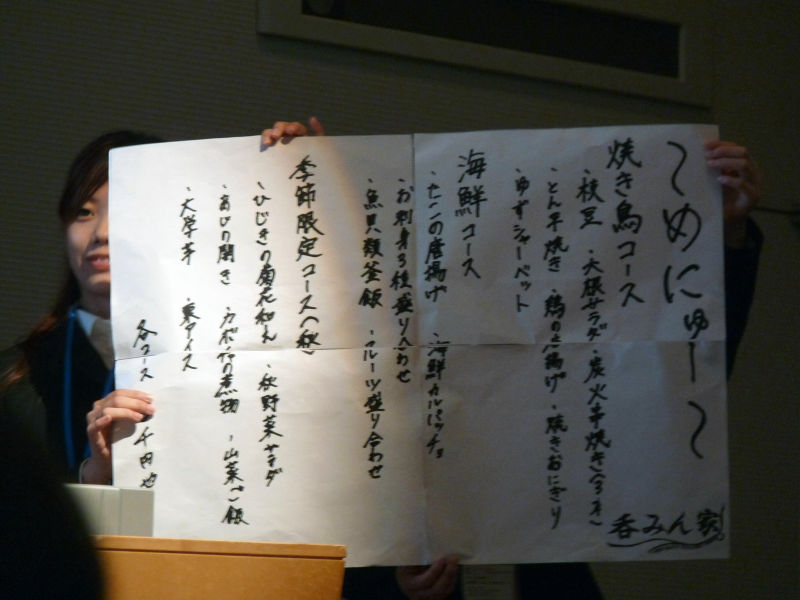
So we came up with the idea of 'Delivery Izakaya.' Izakaya menu items are delivered quickly to your home with just one phone call. This allows for flexible ordering that would not be possible with delivery.
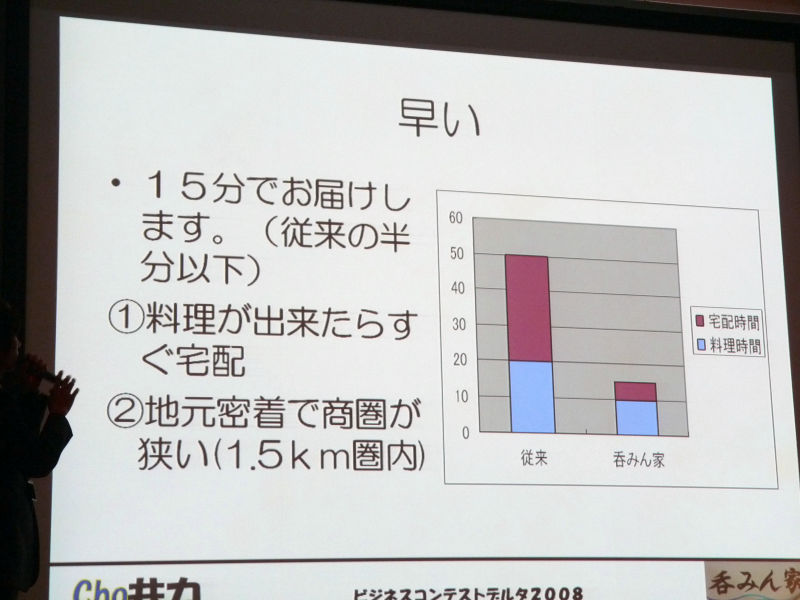
・Delivery time is 15 minutes. Food will be delivered as soon as it is ready.
- It is a locally based company with a small trade area of just 1.5km.
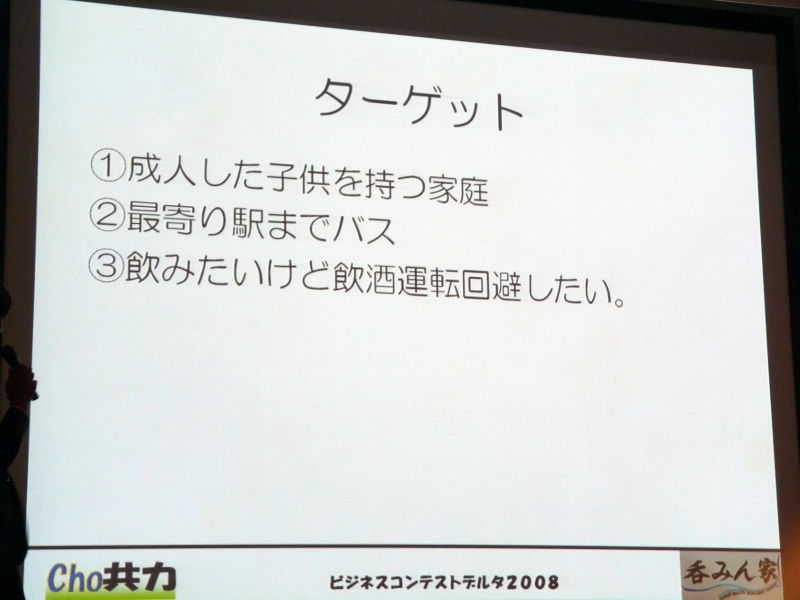
The target audience is families with adult children, or people who want to drink but want to avoid drunk driving.
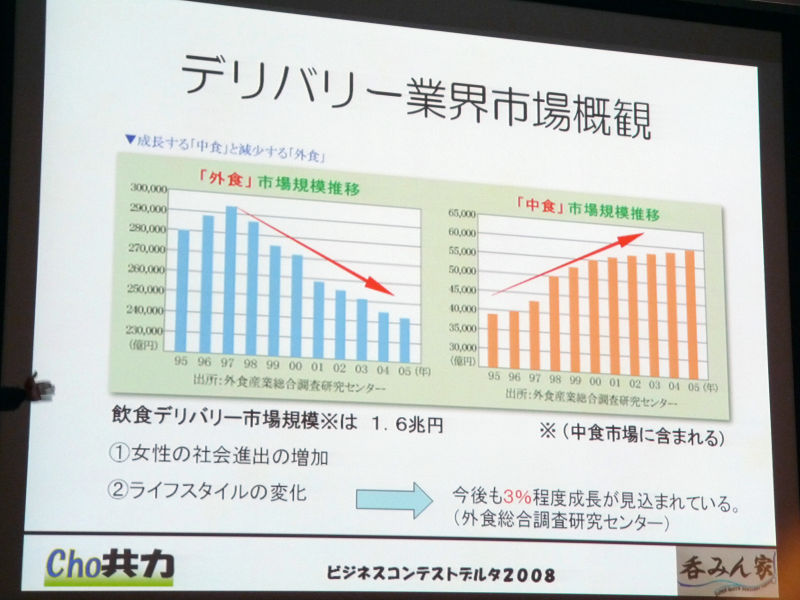
・Looking at the delivery market as a whole, the ready-meal market is growing.
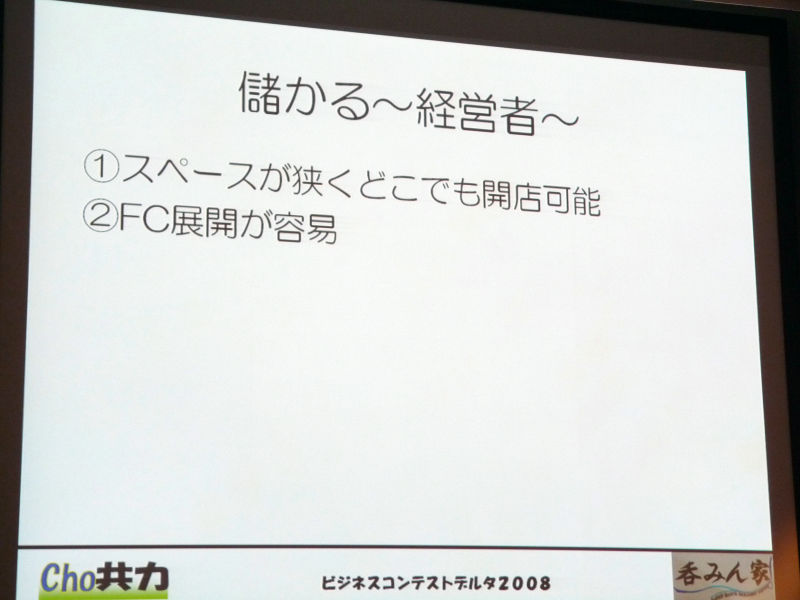
-As long as you have a kitchen, it's possible to open a store anywhere, even if the space is small.
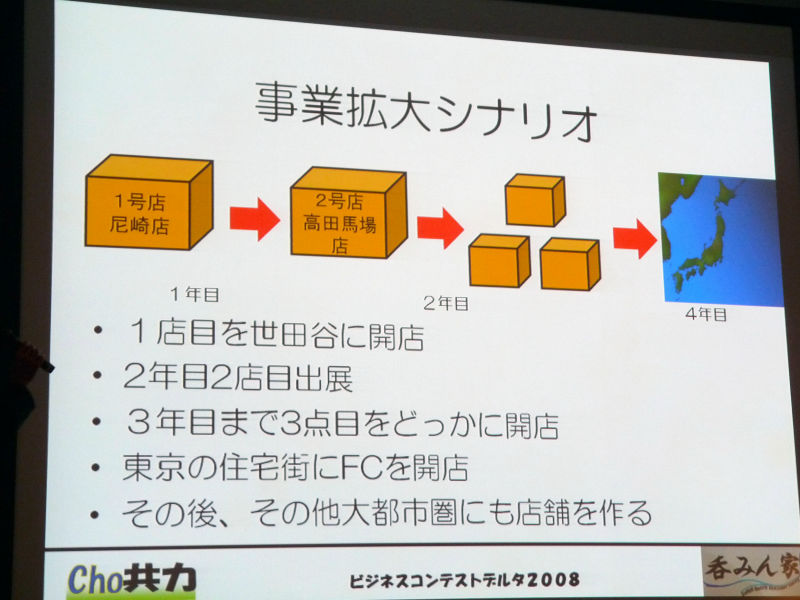
-Franchise development is easy.
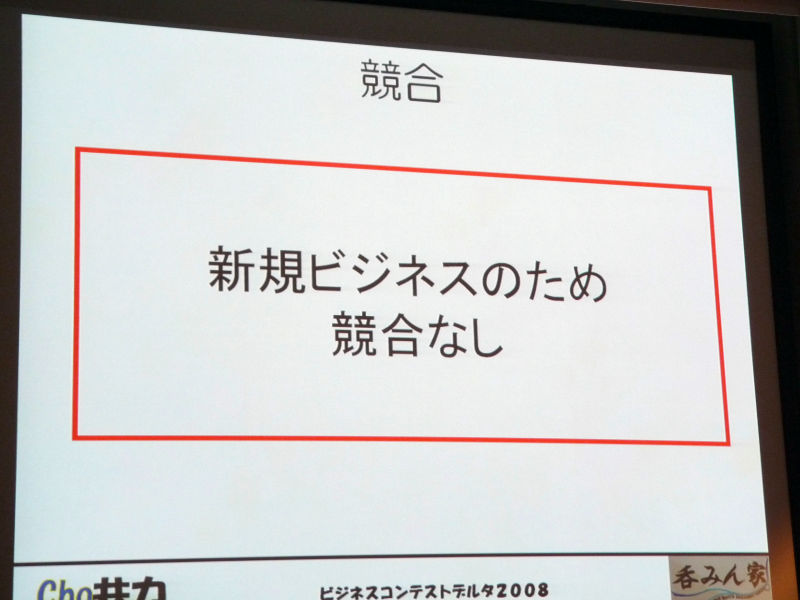
- They also claim that since it is a new business there is no competition.
However, the judges pointed out that there is no need for izakaya delivery in the first place, that the purpose of going to an izakaya is the food, having fun with friends, or the price? Why would someone go to the trouble of bringing an izakaya home? They also pointed out that even if a system was in place, people would stop using it.
・In response to this, people probably imagine that people who go to izakayas are mainly groups of energetic people, but there are people in our business area who are wheelchair-bound or have newborn children who need to be kept an eye on, and for families that include such people, it is not possible for the whole family to go to an izakaya together. We would like to realize 'drinking communication' for such people.
・Another appealing feature is the wide variety of alcoholic beverages available. It is not possible to stock all of them in a home refrigerator, so it makes sense to deliver them in small quantities.
・Is it possible? When we look at the point where there are no competitors, does that mean that competitors hadn't noticed until now, or that they had noticed but decided not to do it in the end? It's unclear which is the case.
- The phenomenon of no competitors may mean that the market is not attractive and therefore the company has not entered it.
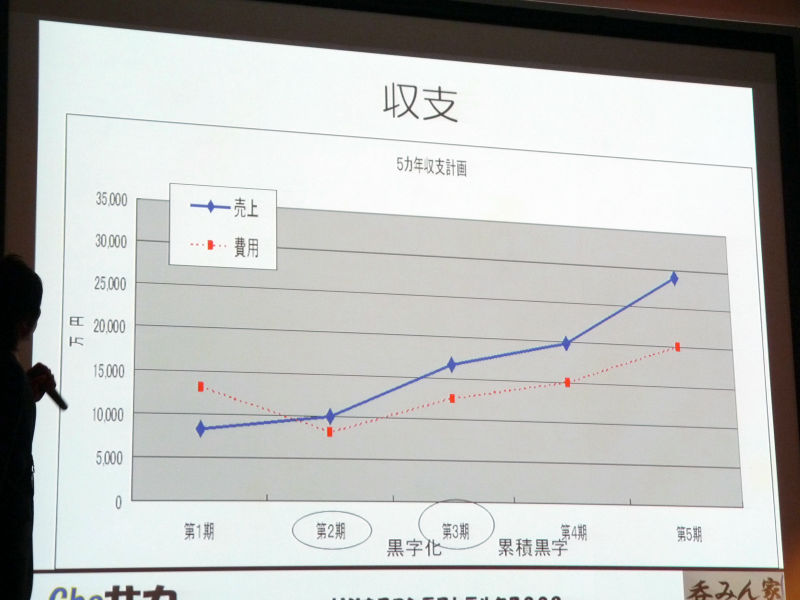
-The basis for the first year sales figures is that the target area was Setagaya, so there were 100,000 households, and after distributing flyers the recognition rate was 0.06, and the target could be achieved if one in every 10 households ordered the delivery service.
・The number of stores is assumed to be one.
-The calculation is based on 100,000 people within a 1.5 kilometer radius (perhaps it was a mistake and should be 100,000 households?).
-Also, in normal stores, there is a central kitchen, so the difference in profits between each store can be absorbed, and we will be adopting the same system in the future.
Personal impressions:
Although they claim to have no competition, that does not mean there is no competition. It is unfortunate that there is no numerical basis for the extent of the demand for delivery, but I feel that it would certainly be a convenient service if it were to be realized. However, I feel that there is a big gap between what is being proposed and the actual demand.
■Food delivery service for men
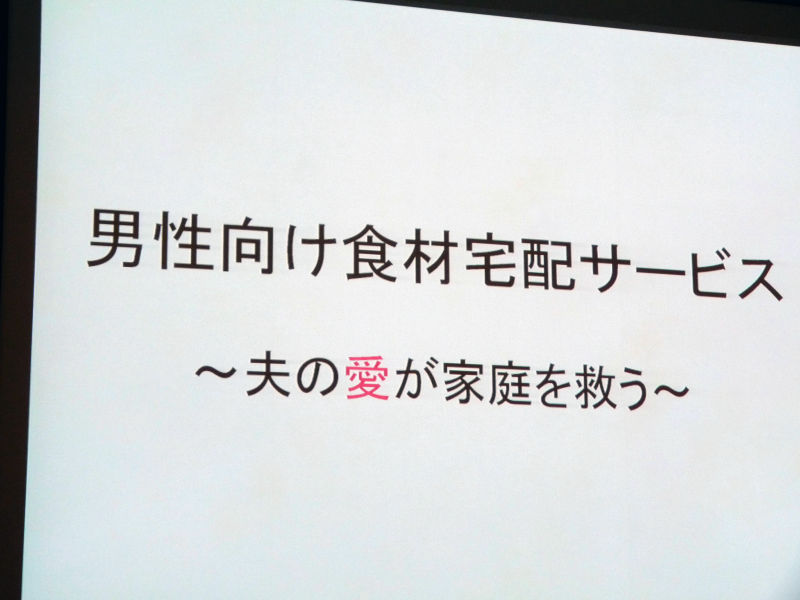
Presentation content:


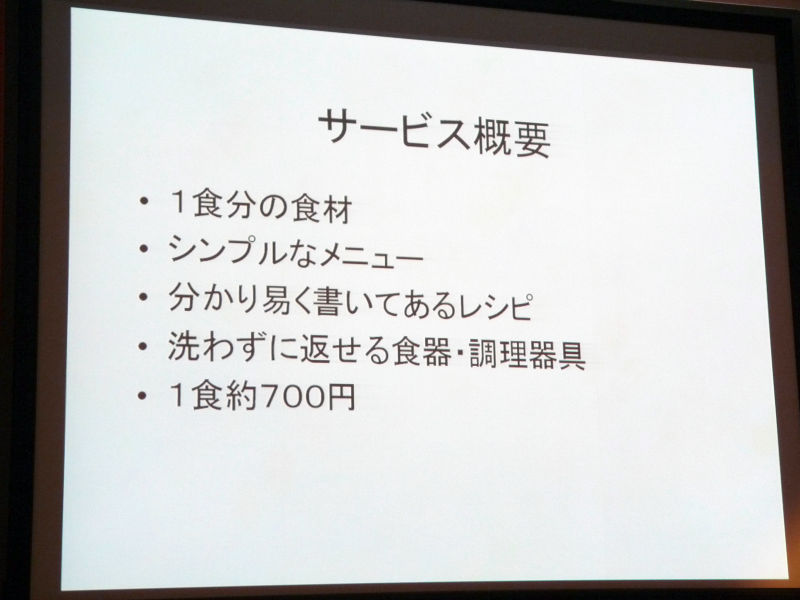


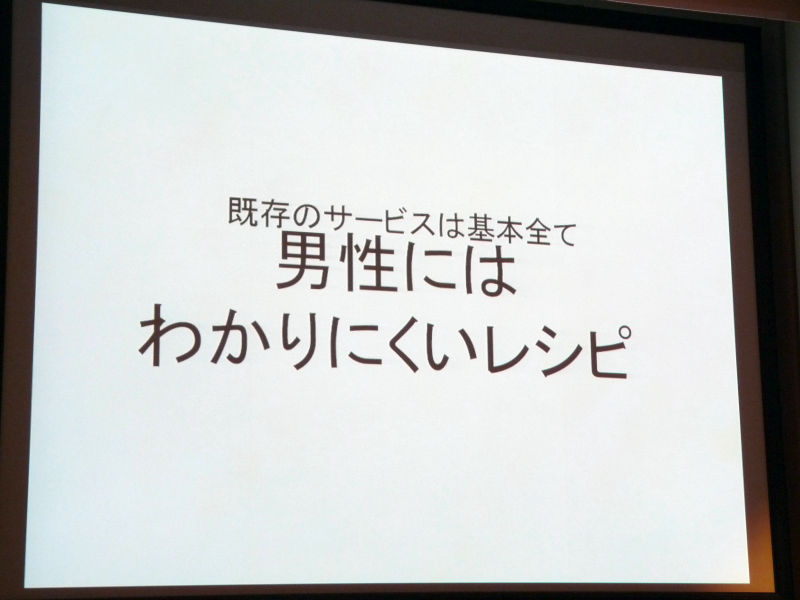
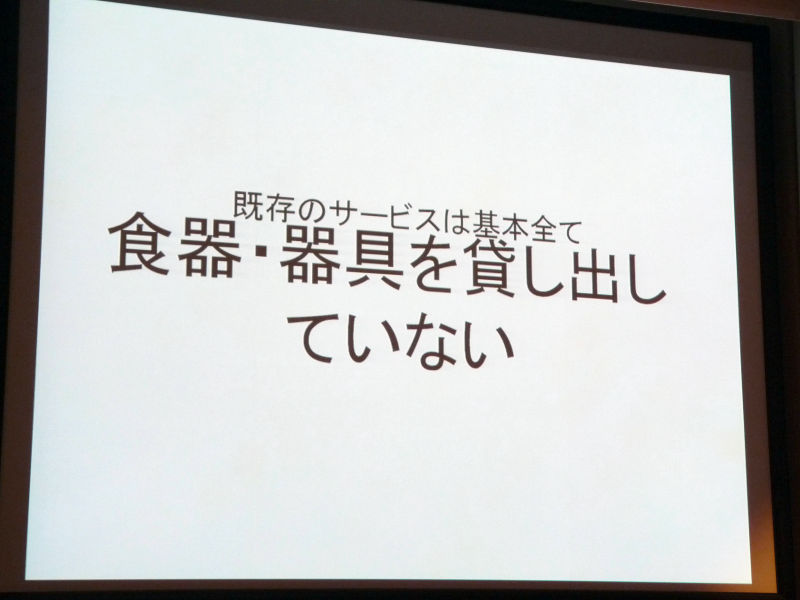
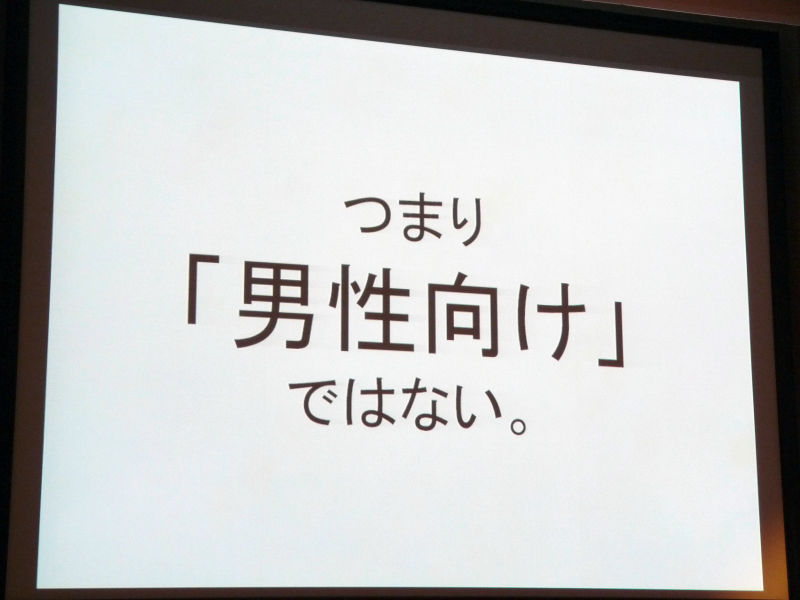


overview:
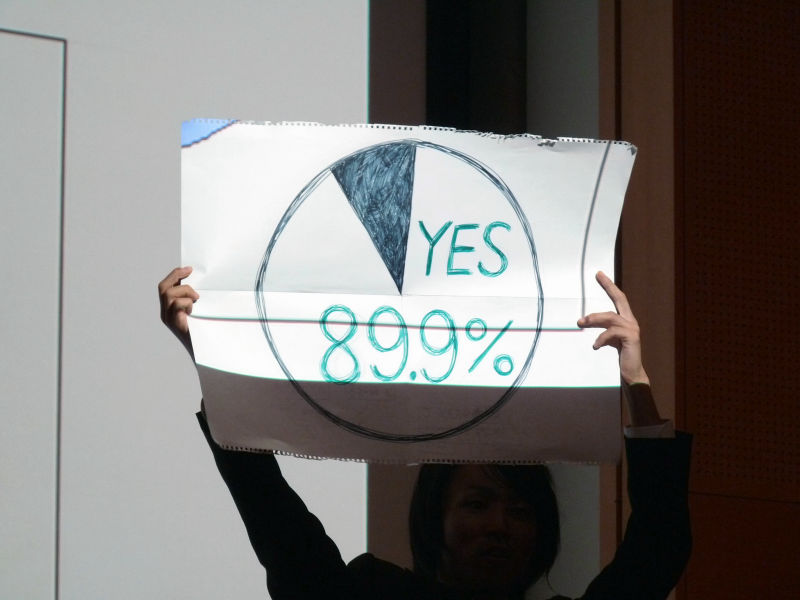
- 89.9% of people think that cooking contributes to a happy marriage.
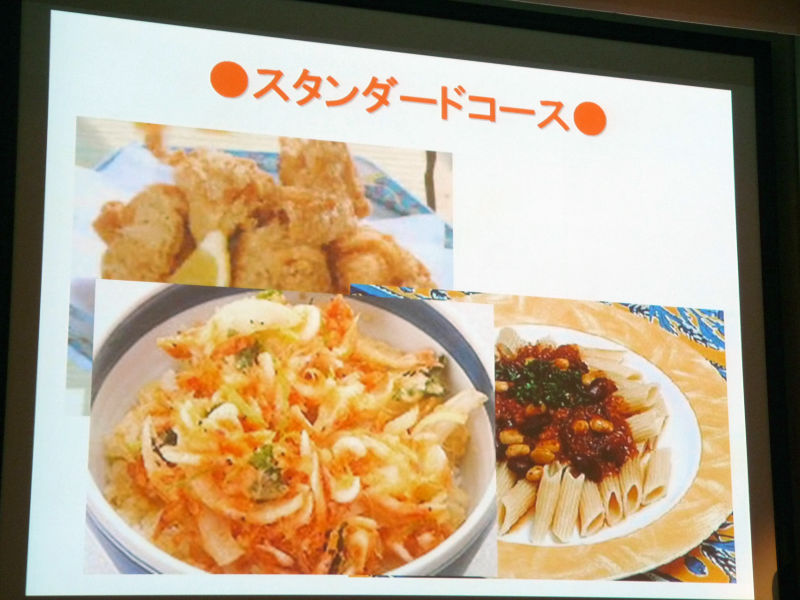
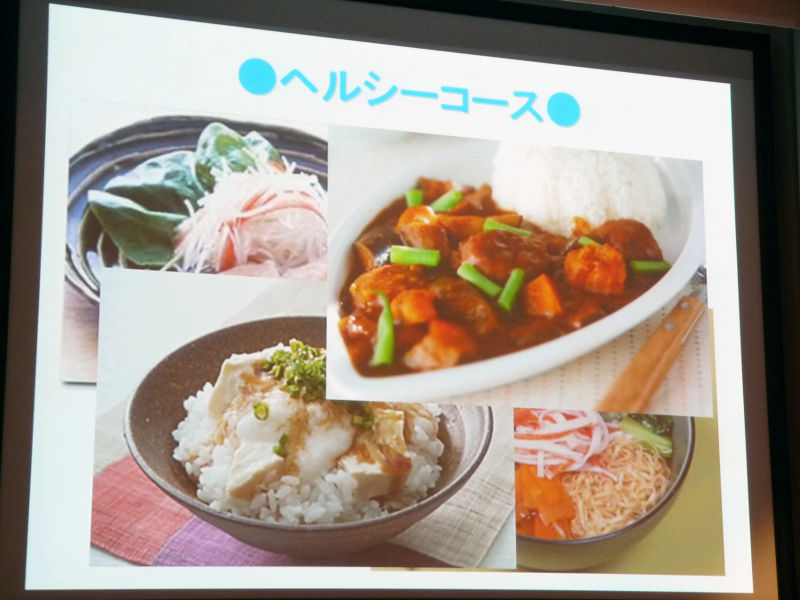
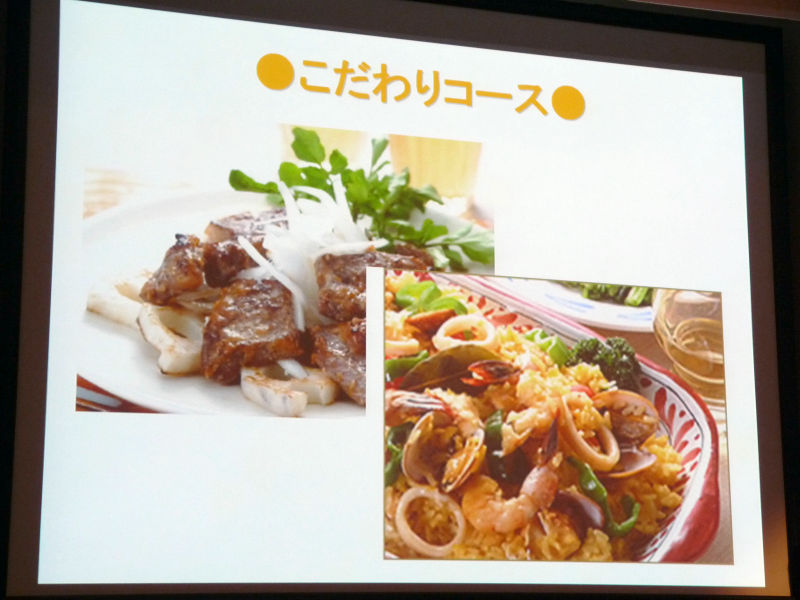
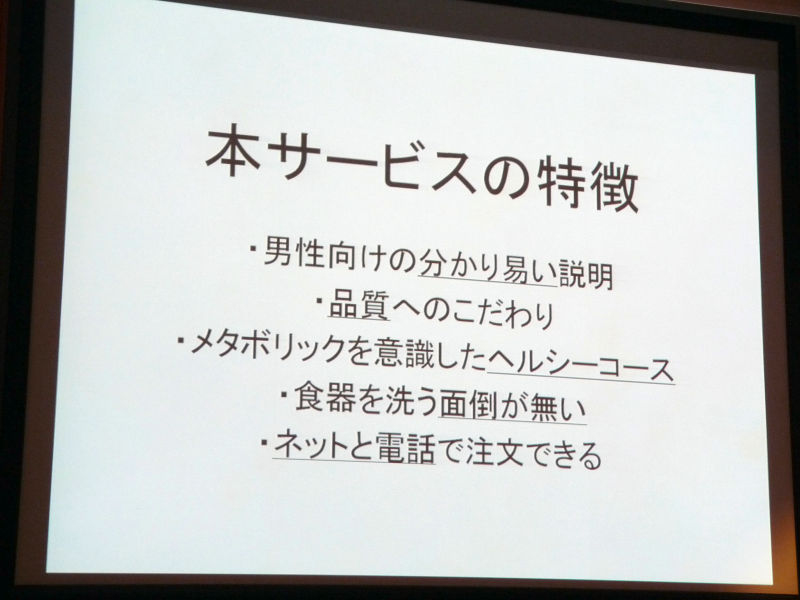
・There are three courses: Standard Course, Healthy Course, and Specialty Course
- Provides ingredients for one meal in a simple menu, comes with easy-to-understand recipes, and includes dishes and cooking utensils that can be returned without washing.
・Price is expected to be around 700 yen per meal
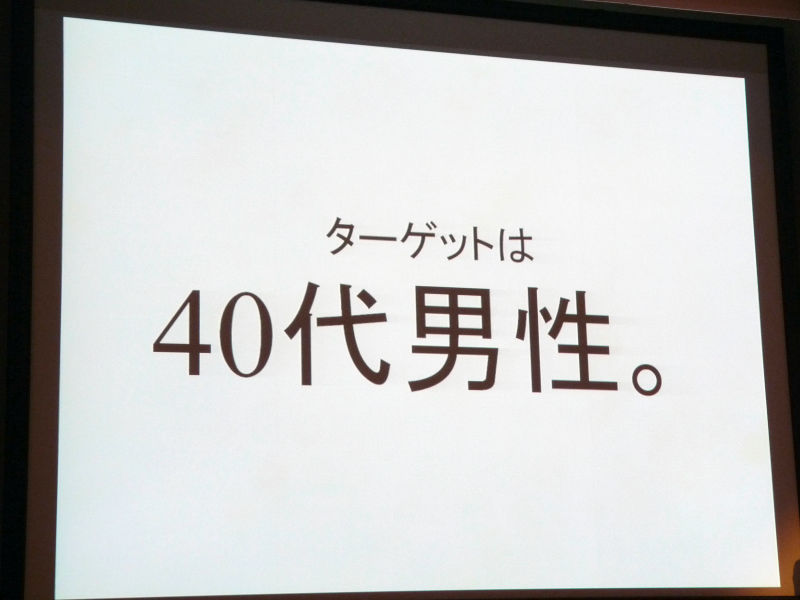
The target audience is men in their 40s. According to the results of a survey of 100 people, there are many people in their 20s and 30s who are interested, but considering the percentage of people who are married, it is the 40s.
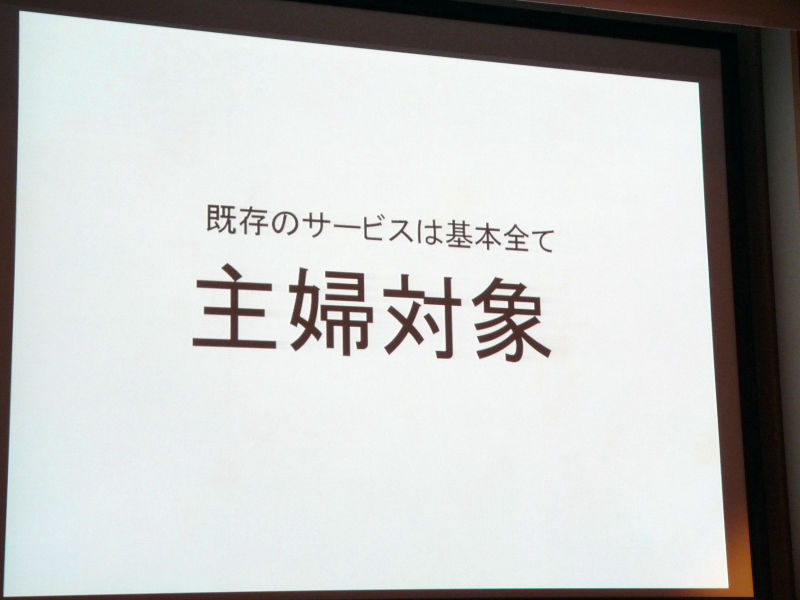
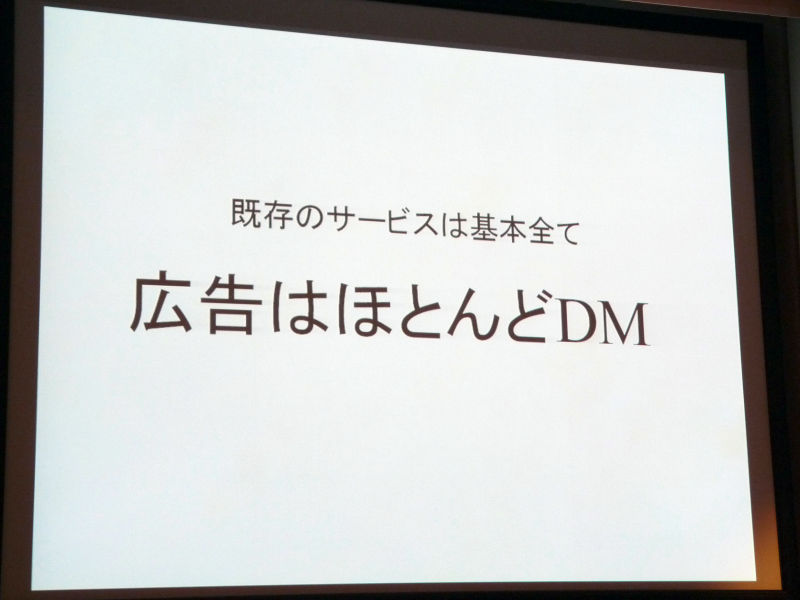
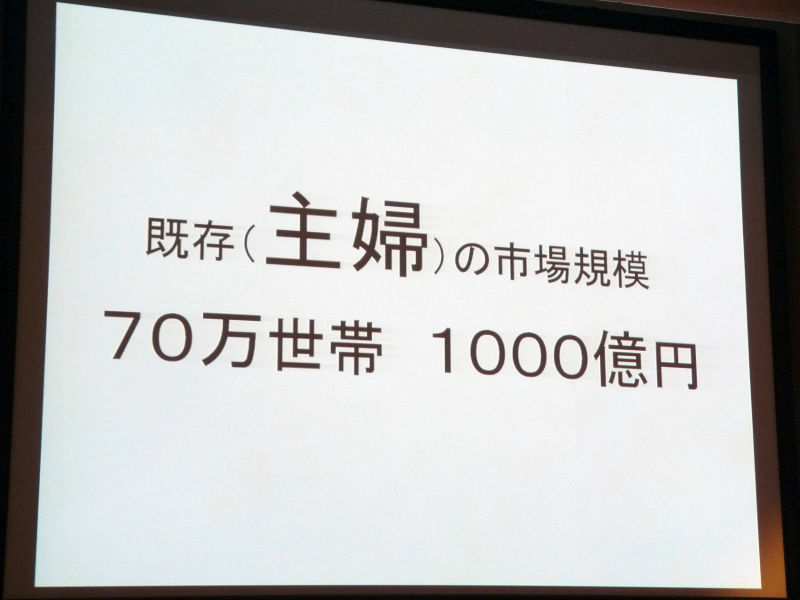
-In terms of competition, there are already five major food delivery services aimed at housewives, with a market size of approximately 700,000 households and 100 billion yen.
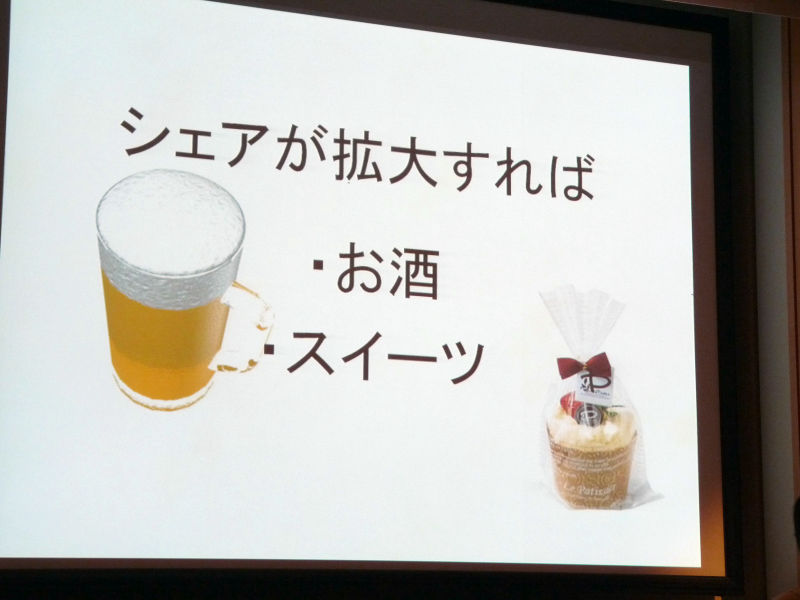
・Once market share expands, add alcohol and sweets
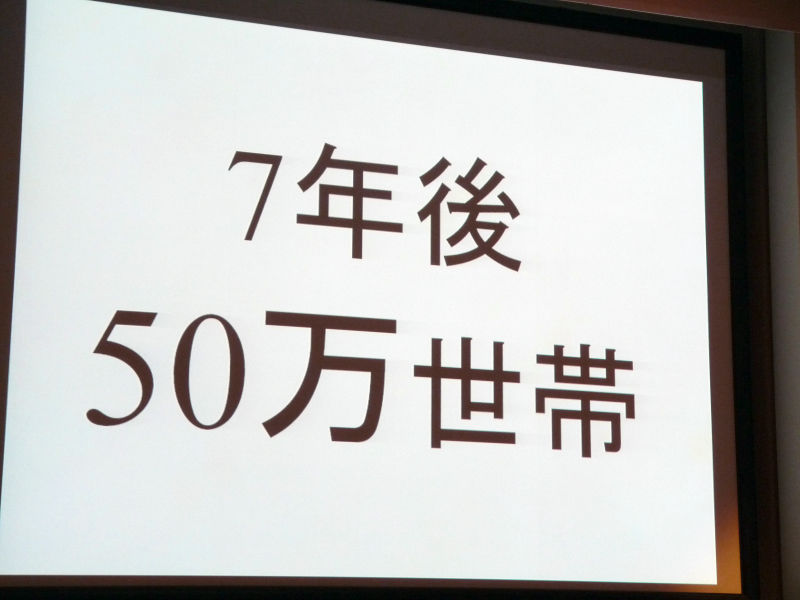
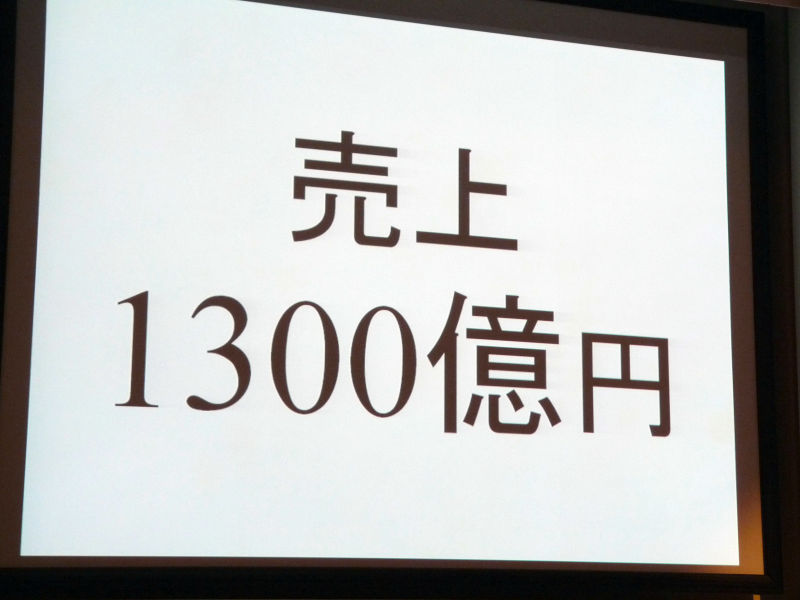
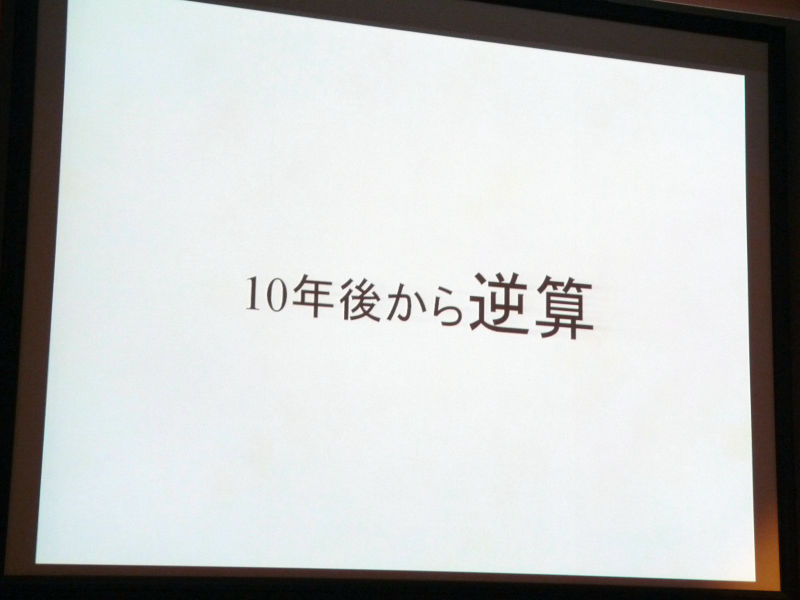
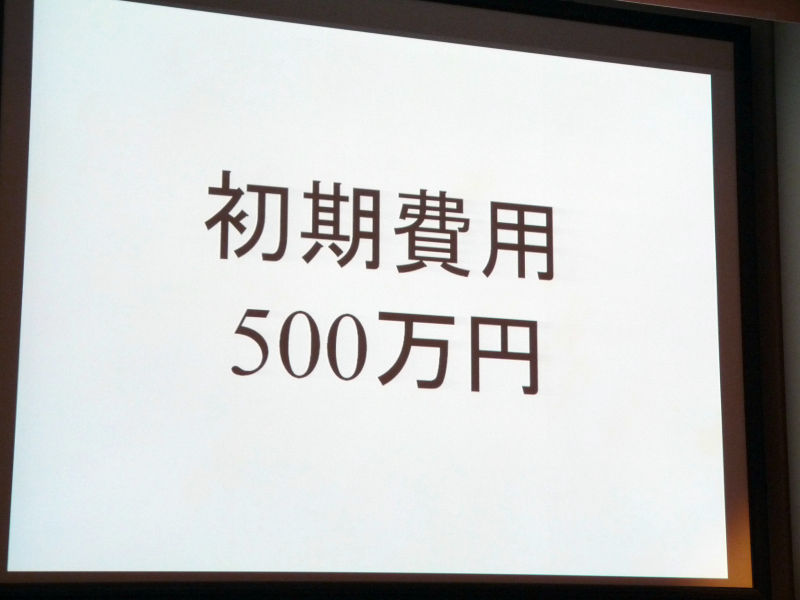
・The goal is to cover 500,000 households in seven years and achieve annual sales of 130 billion yen.
-The judges suggested that it might be acceptable for a man to cook a meal for his wife and family about once a month and create time for family time together.
・In the section on dual-income households, it is stated that 'husbands should also make meals,' but in response to the question, 'Which is better, having them make meals on a repeat basis or as an event?', the answer was that there are three courses, but the first, the standard course, offers meals that can be made every day, and the special course has an event-like quality so that the couple can be particular about the meals.
However, one meal (per household) usually costs around 5,000 to 6,000 yen. So isn't it a bit shabby to offer a special course for 800 yen?
-It seems like the tableware is carefully selected, but some people say it would be nice if they could choose whether or not they needed the tableware.
-In response to the question of why men are the target, the answer was that it is a service that was conceived from the perspective of wanting men to cook, rather than the contents of the menu.
-Since we are targeting men in their 40s, we are also considering delivering snacks along with the delivery.
・It might also be interesting for people who are working away from home.
- When it comes to products aimed at housewives, companies like Oisix offer ingredients that are characterized as being pesticide-free, but there are indications that there is a need for products that are not aimed at men.
・If their market share expands in the future, they would like to consider offering sweets as well, as people don't feel like making sweets unless they have the right equipment. They feel that there is a need for such equipment to be rented out to women as well.
Personal impressions:
What is shown here is a portion of their presentation materials, and in fact, this was the best of all the groups that had appeared so far. By good, I mean not only how they organized and presented their materials, but also because they explained at a moderate pace, neither too fast nor too slow, within the allotted time, with a good balance of pace. I was also impressed that this was the only presentation by a woman. However, despite the fact that they reinforced their ideas with numbers, there were many areas where the ideas themselves were not well-thought-out. Their competitors were clear from the start, so in that sense they were similar to new entrants, but it was disappointing that we didn't see much of that perspective. Perhaps they lacked a bit of realistic simulation.
The five criteria for this review are as follows:
1: Uniqueness and originality of the idea
2: Business content (business model)
3: Business strategy (business development)
4: Income and expenditure plan
5: Presentation
By the way, the plans that made it to the finals last year were as follows.
1: Muteki: 'Don't buy textbooks, rent them' (University Textbook 'Buying and Rental Business')
The number of students is declining, and students are increasingly turning away from textbooks. Therefore, the concept is to solve students' dissatisfaction with the high cost of textbooks.
2: Consulting for job applicants 'Voices of job applicants' (new graduate recruitment)
New graduate consulting for companies struggling with new graduate recruitment. During conversations with human resources personnel, he learned that companies want to hear the honest opinions of students when it comes to recruiting new graduates, and came up with the idea of a service that helps client companies hire the talent they are looking for. In supporting the recruitment efforts required by companies, the service aims to reduce mismatches after joining the company and achieve the right person in the right position.
3. Campus Cube
This service was created in response to the voices of university students who said they didn't have their own lockers and wanted lockers. It provides lockers at low cost to 'locker refugees' who walk around the vast campus carrying heavy luggage. Because regular lockers are boring, the service offers original lockers that can hold more than just items.
4: 'GAKU Shoku OLYMPIC' (restaurant industry)
This restaurant business allows university students across the country to try out different university cafeterias, targeting those who would like to try them but don't have the means to do so. The plan itself is highly topical, and it has the advantage of being able to offer affordable, nutritious meals compared to other competitors. The target customers are university students. It may also be possible to reach adults with university nostalgia and younger students who have aspirations to go to university.
And this time, the 'Audience Award' voted for by the audience was the fourth food service for men.
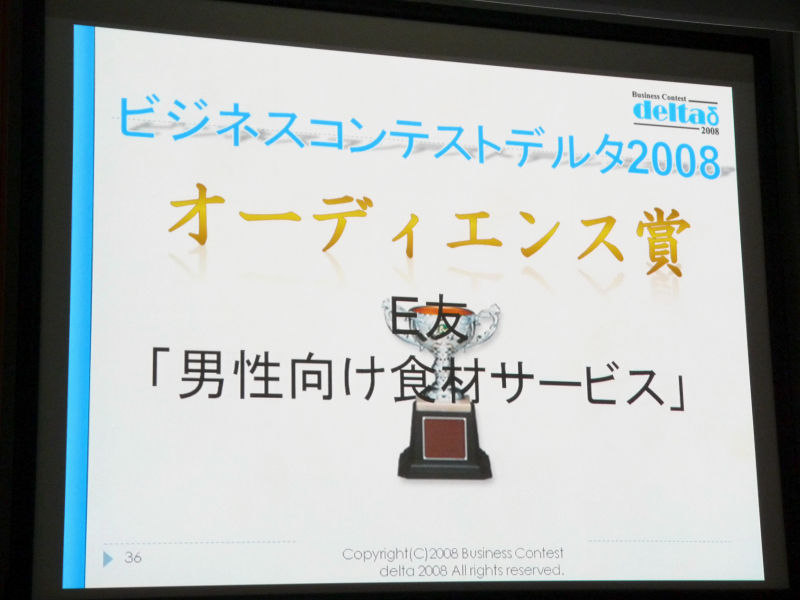
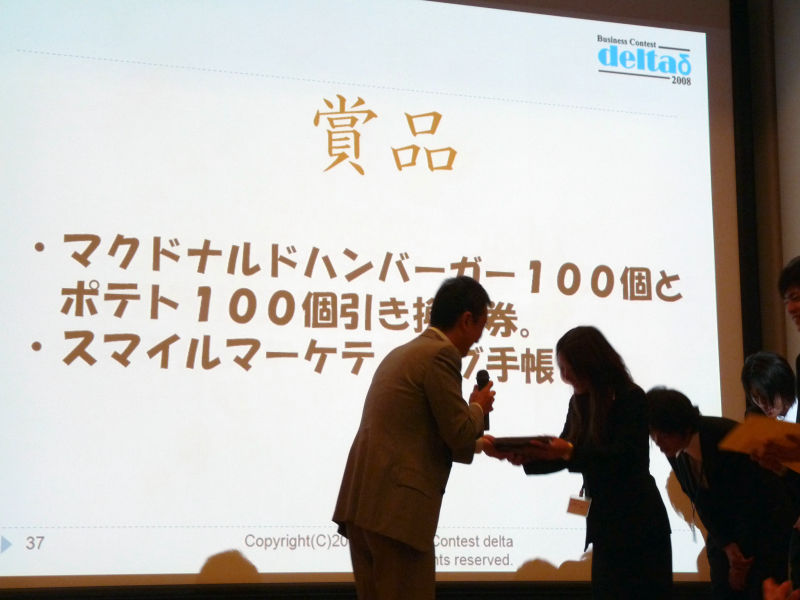
The prize was a voucher for 100 McDonald's hamburgers and 100 fries. The moment this was announced, the crowd erupted in excitement.
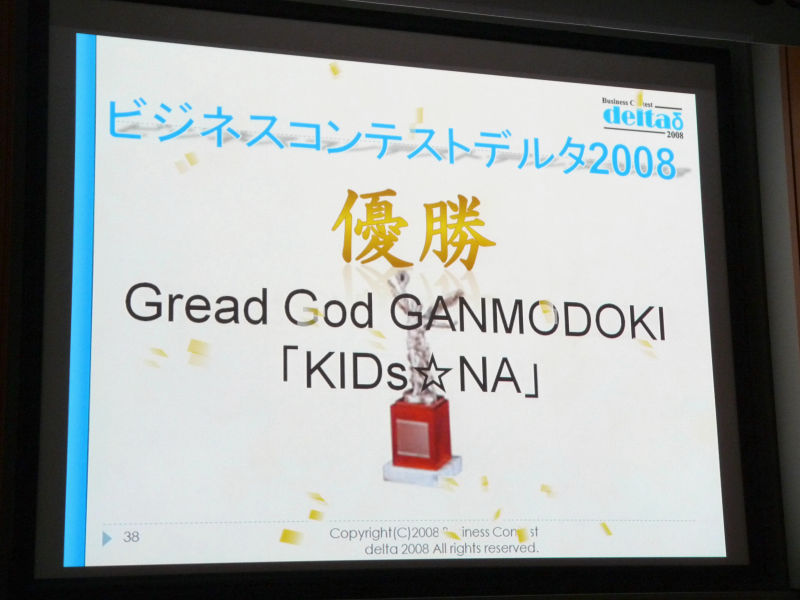
The winner was the first entry, 'KIDs★NA.' According to the judges, all the entries were pretty much of the same level, but after examining the detailed data provided only to the judges, it seemed that this entry was the most complete. However, the level of the presentation was also the lowest...
The prize for the winner is as follows. Since this is a contest for beginners, there is no prize money.
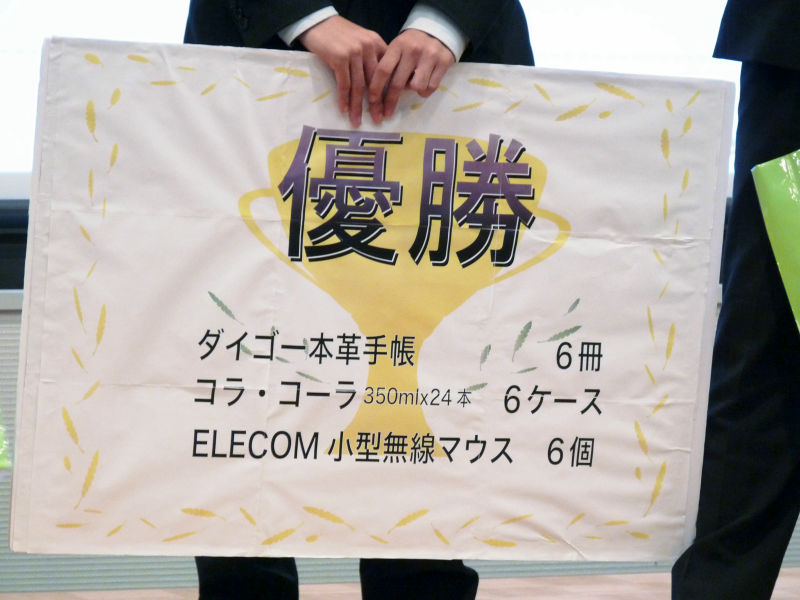
However, the Mie Prefecture Osaka Office has added Matsusaka beef, spiny lobster, Nanki mandarin oranges, and other items. For a moment, I thought I would be able to receive them all, but they said, 'Due to the financial situation of the local government, you can only choose one of these.'
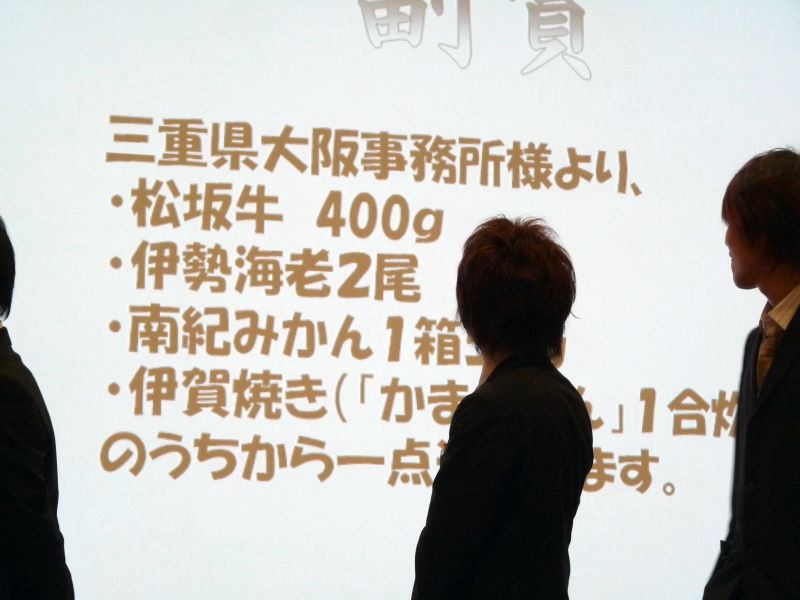
Members of the winning team
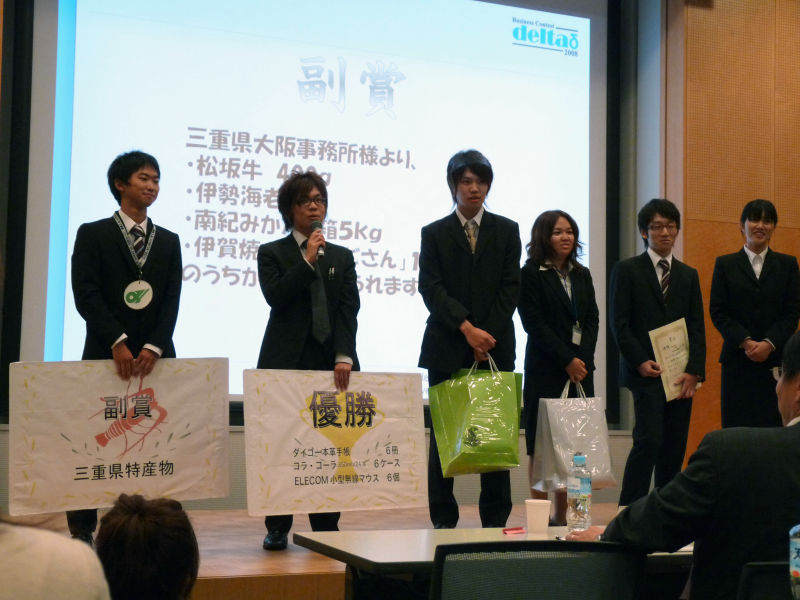
However, at the very last moment, one of the sponsoring companies said to everyone,
'I think the judges handled the event like adults because it was a student event, but honestly, it was lame. There's nothing worth awarding. So I don't want this to be the end. I want them to move forward.'
'This is unheard of in the business world, and from the perspective of a top-class businessperson, there was nothing from a global perspective. I don't understand why the perspective is from an island nation's perspective. That alone is disappointing. They need to think bigger. Also, they don't understand what 100 million yen in sales means. It's very difficult to break that level, and they don't understand that. I've also run a student fund, but I couldn't invest in any of the teams this time. I don't understand why you're making that plan. You can't make any money if you keep doing that... I want you to know that this is the real world.'
The venue instantly became silent and extremely tense, but the atmosphere at the social gathering afterwards was relaxed and lively, as shown below, including the person who made the comment.
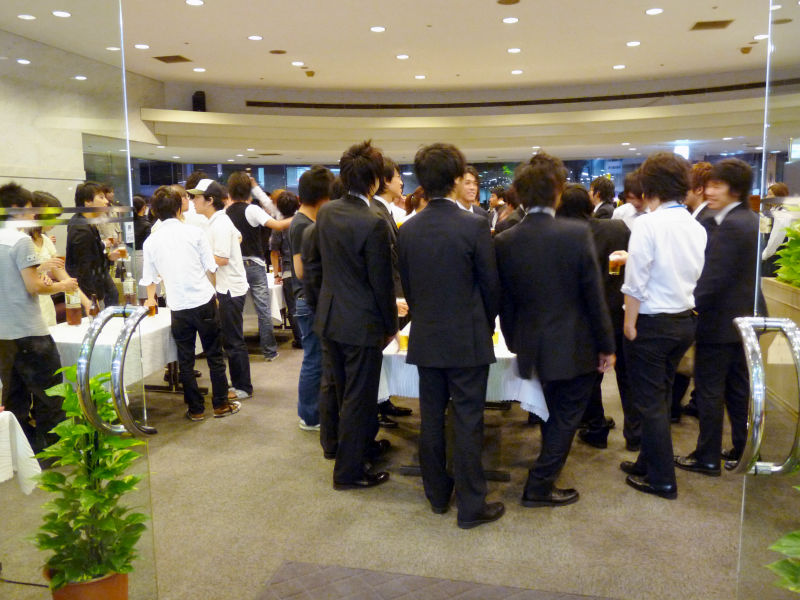
So, I think we've gotten a glimpse into the reality of current university students from the Yutori education generation, but what do you think?
Related Posts: